
Magnetek Replacement Parts
When crane components become unreliable or fail outright, Magnetek replacement parts help restore operation without jumping straight to full system replacement. New equipment can be expensive, disruptive, and unnecessary when the right part or repair path keeps the system online.
Engineered Lifting Systems helps facilities keep Magnetek-equipped crane and hoist systems supportable. Our team assists with:
- Identifying failed or unreliable Magnetek components
- Sourcing replacement parts for drives, controls, brakes, and motors
- Reviewing compatibility before a replacement part is installed
- Finding cross-reference options when older Magnetek parts are obsolete or hard to source
- Determining when repair, replacement, or modernization is the better next step
A failed component can stop work quickly, especially when the crane supports daily production. Our Magnetek parts dealers help identify the part, review available options, and confirm the next step before more time is spent chasing the wrong fix.
Learn More About
- When failed or unreliable Magnetek components may need replacement
- How ELS confirms the right replacement part before sourcing
- Common Magnetek part groups used in crane systems
- Operations that depend on reliable crane parts to limit downtime
- How to think through repair vs. replacement decisions
- Technical FAQs about sourcing Magnetek replacement parts
Contact our team or call 866-756-1200 if you need help with a failed component, obsolete part number, or hard-to-match replacement option. ELS reviews the equipment details and helps find Magnetek replacement parts that fit the crane system instead of creating another sourcing problem.
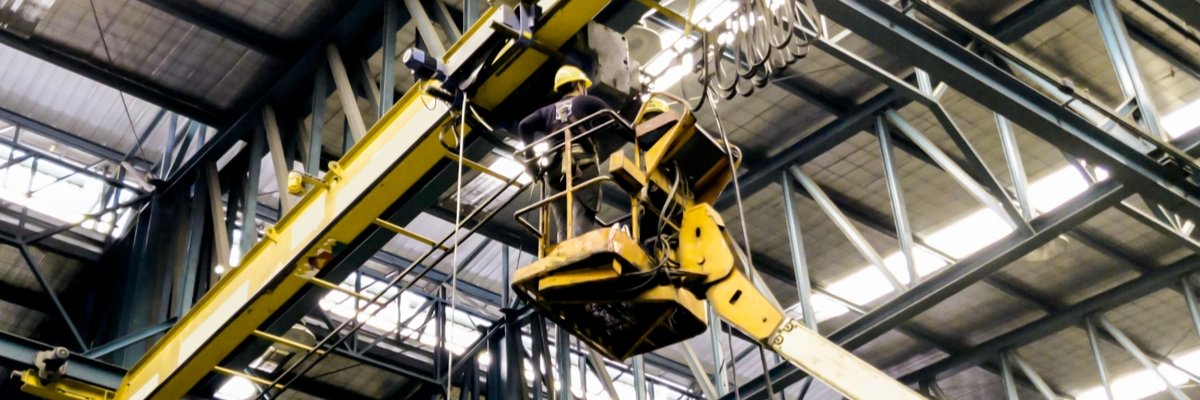
When Magnetek Replacement Parts Become Necessary
A crane does not have to be fully down before replacement parts enter the conversation. Sometimes the failure is obvious. Other times, the crane still runs, but operators notice changes in motion, response, or repeat faults during daily use.
Because control and braking equipment are part of safe overhead crane operation under OSHA overhead and gantry crane standards, these symptoms should be reviewed before the next replacement decision is made.
Common situations include:
A component fails and stops the crane
A failed drive or control component can take the crane out of service quickly.
In these cases, the first step is identifying the part and confirming the right path. That may mean a direct replacement, a repair option, or an updated component that fits the existing crane system.
The crane still runs but no longer responds consistently
Not every replacement need begins with a full shutdown. Operators may notice slower response, uneven motion, or repeat faults during normal use.
- Delayed response after operator input
- Uneven motion or positioning issues
- Repeat faults that return after resets
These symptoms may involve Magnetek drives or another connected part of the crane system, especially when motion changes under load.
An older Magnetek part is obsolete or hard to source
Some Magnetek-equipped cranes stay in service long after specific components become difficult to find as direct replacements.
When the original part is obsolete, the replacement decision may require a cross-reference, repair path, or updated component instead of a simple reorder.
A replacement part fits but does not solve the issue
A part can match the general category or appear close on paper without matching the actual crane requirements. The replacement still needs to fit how the crane is controlled, how it stops, and how it responds under load.
These situations do not automatically mean the entire crane system needs to be replaced. They do mean Magnetek replacement parts should be reviewed in context before more time is spent sourcing the wrong part or scheduling unnecessary overhead crane service.
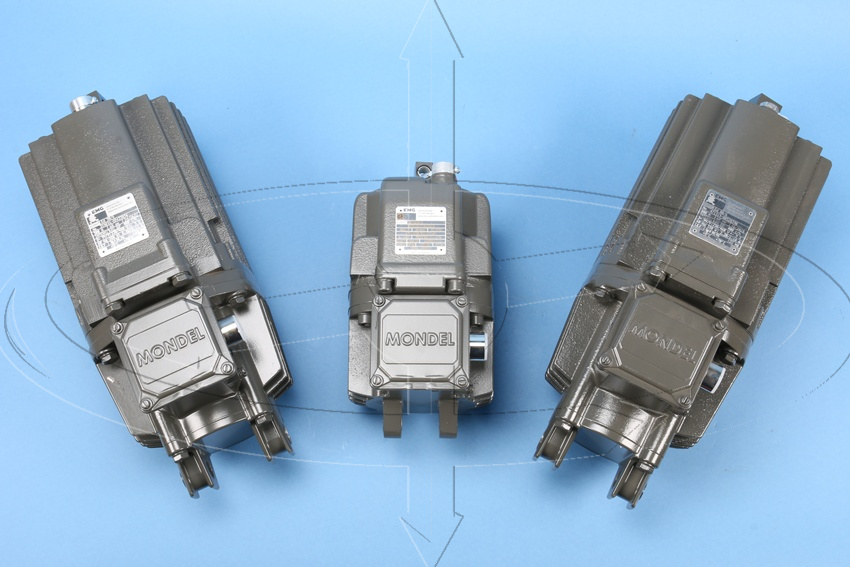
Mondel Brakes
How ELS Helps Identify the Right Magnetek Replacement Part
Finding the right Magnetek replacement part starts with the existing component, but the part number is only one piece of the decision. ELS also reviews where the part is used, what changed in operation, and whether a direct replacement is still the best option.
- Review the existing part information, photos, and equipment details.
- Confirm how the part is used in the crane system.
- Compare direct replacement, repair, cross-reference, or upgrade options.
That review is especially useful when the original part is no longer easy to reorder or the available replacement options are not one-to-one matches.
What If the Original Magnetek Part Is Obsolete?
If the original Magnetek part is obsolete, the next step is not always full crane replacement. ELS reviews the part number and crane application to determine the best available path.
That path may be a direct replacement, compatible substitute, repair option, or upgrade recommendation.
A replacement that looks close on paper may still change how the crane starts, stops, or responds under load. ELS helps narrow the practical options before time and money are spent chasing a part that cannot support the crane correctly.
What Are the Most Common Magnetek Replacement Parts?
Common Magnetek replacement parts usually support the crane functions operators notice first, such as stopping, lifting, positioning, or control response. Knowing which function changed helps narrow the replacement path before the wrong part gets ordered.
Drives and motion control
Drive-related replacement parts help restore controlled movement during lifting, lowering, and travel. Many facilities still operate older Magnetek Series 4 drives, where replacement decisions often depend on compatibility with the existing crane system.
Operator controls
Magnetek radio controls and pendants affect how operators command the crane during normal use. Replacement may be needed when input problems make the crane harder to start, stop, position, or trust.
Motors and brakes
Magnetek motors and Mondel brakes affect movement, stopping, and load control. A worn brake shoe or actuator issue may change how controlled the crane feels during daily use.
Electrical and control components
Smaller control parts still create major unplanned downtime when they fail or become difficult to source. The right replacement should match the installed control setup instead of only matching the general part category.

PG-X3 Encoder Card
Who Needs Magnetek Replacement Parts?
Magnetek replacement parts matter most in operations where crane downtime creates problems beyond the crane itself. A failed part can interrupt production, delay maintenance, slow shipping, or leave heavy equipment stuck in the wrong place.
The industry matters less than how the crane is used. Replacement needs often show up differently based on cycle frequency, load demands, operating conditions, and how quickly downtime spreads.
High-cycle crane operations
Cranes that start, stop, lift, and travel throughout the day put more wear on motion-control and crane braking components. Replacement parts become important when repeated use turns small response changes into daily interruptions.
Heavy-load material movement
Facilities that move heavy stock or large assemblies need predictable crane movement and reliable stopping behavior. When a Magnetek part affects lifting, travel, or load control, replacement may be needed before the issue spreads into a larger operational problem.
Older cranes still doing critical work
Many Magnetek-equipped cranes remain useful long after specific components become harder to source. Replacement parts, cross-reference options, and compatible updates help keep those cranes supportable without forcing a full crane modernization project too early.
When the crane still fits the work, the right replacement path keeps the existing system productive without turning one weak part into a larger capital project too soon.
Maintenance teams supporting mixed equipment
MRO teams often manage cranes with different ages, control setups, and repair histories. ELS helps identify the right Magnetek replacement part when the existing component is:
- Worn or damaged
- Mislabeled or hard to identify
- Obsolete or no longer a simple reorder
- Flagged during crane inspection or recurring service work
Equipment that must work on demand
Some cranes sit idle for long periods, then need to perform immediately for maintenance, utility, or plant-support work. In those settings, long-term supportability matters because a failed part may not show up until the crane is needed.
Power disruptions and repeat faults can make on-demand equipment harder to trust. Replacement parts help reduce that uncertainty when the crane has to be ready after long gaps between use.
These operations may look different on paper, but the replacement question is similar. The right Magnetek replacement parts should keep the crane reliable without forcing a larger equipment change too soon.
Should Magnetek Parts Be Repaired or Replaced?
Not every Magnetek part issue requires replacement. Some problems are better handled through crane repair or rebuild work when the component is still supportable and the surrounding crane system remains stable.
Replacement becomes the better option when the part no longer performs reliably, keeps creating downtime, or is no longer practical to support. That decision matters more with older Magnetek components, where a direct replacement may not be available and the next step may require a cross-reference or compatible substitute.
Repair may make sense when:
- The issue is isolated to one component
- The part can still be adjusted, rebuilt, or serviced reliably
- Replacement parts and support are still available
- The repair restores normal crane behavior without creating repeat issues
Replacement usually becomes the stronger path when:
- The same fault keeps returning after repair
- The component no longer performs consistently during normal use
- The original part is obsolete or difficult to source
- The part no longer works cleanly with the crane’s current control or braking setup
In some cases, the decision moves beyond one part. A Magnetek drive replacement or braking change can affect how the crane starts, stops, and responds under load. When that happens, the goal is not just to swap hardware. The goal is to restore predictable crane operation without creating new downtime somewhere else in the system.
If the replacement decision points to a larger equipment issue, ELS can also help evaluate crane modernization, crane brake rebuilds, or related service options.
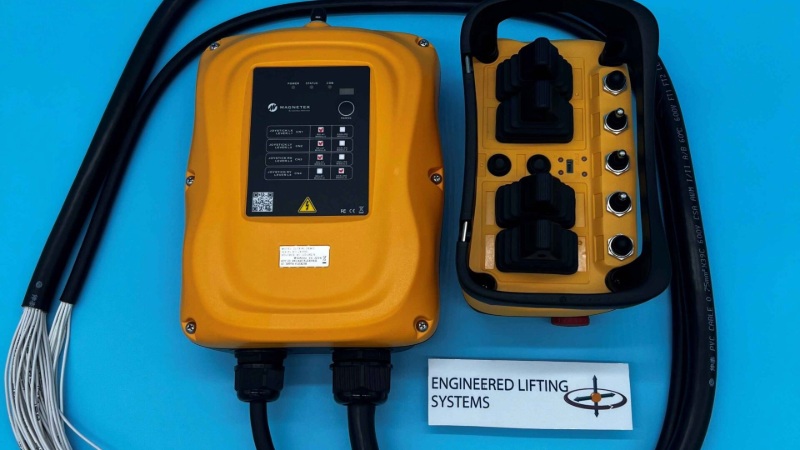
Magnetek ZLTX Remote Control
Technical FAQs About Magnetek Replacement Parts
Replacement decisions get harder when the original component is obsolete, the crane has been repaired before, or the available part is not a direct match.
How do I know which Magnetek replacement part I need?
The best starting point is the information on the existing part. Part numbers, label photos, serial plates, and equipment details can help narrow the search.
The part number alone may not be enough, especially on older cranes. The replacement also needs to match where the part is used, how the crane is controlled, and what changed before the issue appeared.
What if the original Magnetek part is obsolete?
An obsolete Magnetek part does not automatically mean the crane needs to be replaced. The next step is to review whether a direct replacement is available, or whether the better path is a compatible substitute, repair option, or upgrade.
This matters because a replacement that looks close on paper may still behave differently once installed. The right option should support the crane’s current setup instead of creating a new motion, braking, or control problem.
Do Magnetek replacement parts fix inconsistent crane operation?
Sometimes, but the part has to match the actual cause of the problem. Inconsistent motion, delayed response, or repeat faults may point to a failed part. They may also involve how several crane components work together.
Before replacing parts, the issue should be reviewed in context. That helps avoid spending money on a part that looks right but does not solve the equipment problem.
Should a Magnetek part be repaired or replaced?
Repair may make sense when the issue is isolated and the part can still be serviced reliably. Replacement usually becomes the stronger option when the same problem keeps returning, the part is difficult to source, or the component no longer performs consistently during normal use.
The better choice depends on supportability and crane behavior. If repair restores reliable operation, it may be the right path. If the part keeps creating downtime, replacement or a broader upgrade may be more practical.
What information helps ELS source Magnetek replacement parts?
The more information available, the easier it is to narrow the replacement path. Useful details include:
- Part number or model number
- Photos of the part and label
- Crane make and capacity
- How the crane is used
- Symptoms or fault history
- Any previous repair or replacement work
If some of that information is missing, ELS still reviews the available details and works from the equipment context.
Can the wrong replacement part create new crane problems?
A mismatched replacement may create new problems even if it appears close to the original part. The crane may run, but operators may notice rougher motion, repeat faults, or different stopping behavior.
That is why compatibility matters before installation. The replacement should fit the part requirement and the way the crane actually operates.
Work With ELS for Magnetek Replacement Parts
Magnetek parts support should not stop at finding something that looks close. Engineered Lifting Systems helps facilities review the part, the crane application, and the replacement path before time is spent on the wrong fix.
Related Magnetek support may include:
Call 866-756-1200 or contact us online if you need help with a failed component, obsolete part number, or replacement option that does not look like a direct match. ELS reviews the equipment details, compares available paths, and helps you find the right Magnetek replacement parts for your crane system.