
Crane Inspection Farmington, MO
Crane Inspection in Farmington, MO, evaluates overhead lifting systems for condition, performance, and long-term reliability. A thorough inspection does more than record visible wear—it helps identify developing issues in mechanical, electrical, and control systems that affect how the crane lifts, travels, stops, and responds under load.
Inspection findings help drive next-step decisions. They allow facilities to determine when a crane can remain in service as-is, when components need closer attention, and when repair, part replacement, or modernization becomes the right path.
Learn More About
At Engineered Lifting Systems, we provide crane inspection services across manufacturing, construction, and industrial environments. If you need to schedule Farmington, MO, crane inspection, review equipment condition, or discuss next steps, contact our team or call 866-756-1200.
This page is designed for teams responsible for keeping overhead crane systems running safely and consistently, particularly when equipment condition or performance needs closer evaluation.
- Maintenance and reliability teams tracking equipment wear and inspection findings over time
- Engineers and facility leaders reviewing crane performance under current workloads
- Operations teams addressing inconsistent motion, operator complaints, or rising service demands
If you’re trying to understand your crane’s actual condition—and what those findings mean for repair, replacement, or long-term planning—this page helps connect inspection results to real decisions.
What Farmington, MO, Crane Inspections Actually Evaluate
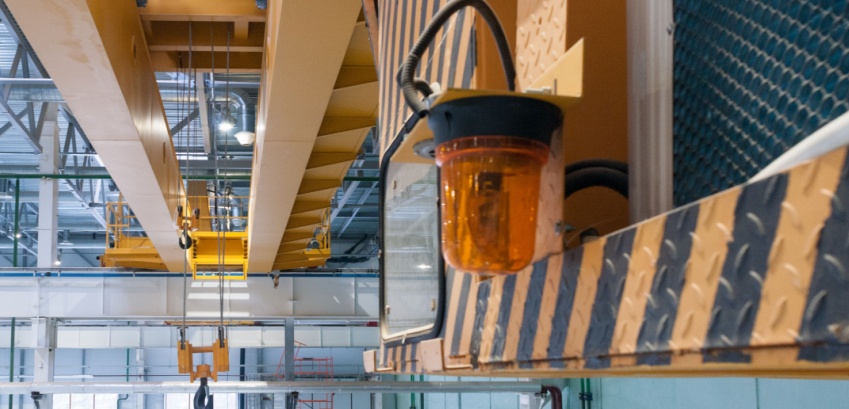
Crane inspections shift the focus from worn components to how overhead crane parts and systems perform during everyday operation.
Changes in usage patterns and increasing workloads, combined with how heavy machinery ages, often cause early behavioral changes to appear long before failure.
Inspections are typically centered on the first places those changes begin to show:
- How the crane performs lifting, lowering, and load handling in normal operation
- How it moves, stops, and responds to operator controls
- How electrical and control systems maintain consistent performance over time
- How structural components perform over repeated use and load cycles
Taken together, these areas show how the crane behaves over time. Small changes in one area often point to larger patterns across the system—that’s where inspection findings begin to matter.
How Mechanical Issues Show Up During Crane Operation
Mechanical issues often emerge early in the process, even when the crane continues to operate normally. Small changes such as added vibration, unexpected noise, or less stable movement under load can signal developing wear before visible failure occurs.
Wear like this tends to form in high-use areas exposed to repeated motion and load. As these components degrade, the crane may start to feel slower, less stable, or less predictable during routine use.
Several mechanical problem areas tend to show up most often, including:
- Hoists: Inconsistent lift speed, hesitation under load, or diminished control during positioning
- Brake assemblies: Increased stopping distance, drift after stopping, or inconsistent engagement
- Gearboxes and drive systems: Noticeable noise, vibration, or heat buildup during operation
- Drive components: Misalignment, excessive wear, or inconsistent movement under load
Additional crane parts—such as overhead crane cabs, radios, and supporting systems—can also introduce operational risk as they age or fall out of adjustment.
Crane inspection in Farmington, MO, helps connect these operating changes to the underlying mechanical condition of the crane. Instead of waiting for a failure, teams can identify developing wear patterns early and decide whether adjustment, repair, or part replacement makes more sense.
Changes in Braking, Motion, and Control Response
Performance issues with a crane often become visible in how it responds to input rather than how it moves under load. When controls are functioning properly, movement should feel immediate, consistent, and predictable. When that connection starts to weaken, operator input and crane response fall out of sync across radio controls, pendant systems, or control systems within the control house.
Common signs of motion and control-related issues include:
- Delayed or inconsistent response to pendant or radio input
- Extended or uneven stopping distances during travel
- Drift or ongoing movement after controls are released
- Jerky or uneven acceleration and deceleration during lifting operations
Farmington, MO, crane inspections help clarify whether these issues indicate braking problems, control inconsistencies, or a wider disconnect between operator input and crane response.
Electrical Issues and Inconsistent System Performance
Electrical issues rarely present as obvious machine failure—they usually show up as inconsistent performance. A crane may run normally one moment, then fault, stop, or behave unpredictably the next. Because these problems tend to be intermittent, they can be difficult to trace without inspection.
Typical indicators of electrical or system-level problems include:
- Intermittent faults or unexpected shutdowns during operation
- Loss of communication between controls and crane systems
- Inconsistent performance in speed or power under similar loads
- Nuisance trips, fuse failures, or reset-dependent operations
Crane inspection by Farmington, MO, experts helps connect these intermittent issues to their source, whether it’s wiring, control components, or how systems interact under load. Identifying them early makes troubleshooting more predictable and helps prevent repeated faults from becoming larger operational problems.
How Farmington, MO, Crane Inspection Findings Turn Into Decisions
Inspection findings aren’t all equal. Some indicate normal wear that can be monitored over time, while others highlight issues that need earlier attention. The value lies in understanding how each finding impacts daily operation—something our team evaluates during every crane inspection.
With that context, decisions are usually simple—monitor the condition, make adjustments, plan a repair, or evaluate a larger upgrade if the system is beginning to fall behind.
Monitoring stable conditions.
Not every finding requires immediate action. Many conditions reflect normal wear that can be tracked over time without impacting performance or safety.
Monitoring gives teams a way to stay ahead of issues without overcorrecting. Tracking the same condition across inspections makes it easier to see whether it’s stable or starting to change—typically when our team recommends taking the next step.
Making adjustments early.
Some inspection findings reveal issues that can be corrected without major repair. These typically include minor misalignments, calibration problems, or performance inconsistencies that affect operation but haven’t yet resulted in significant wear or failure.
Common issues that can be addressed through adjustment include:
- Slight alignment issues in mechanical or travel components
- Brake or control calibration that is out of spec
- Inconsistent movement or positioning during normal operation
- Early-stage wear with no current performance impact
Handling these issues early helps restore smoother operation and limits additional stress on other components. In many cases, these adjustments can be made quickly once identified during inspection.
Repairing or replacing worn crane components.
Some inspection findings highlight wear, damage, or performance issues that adjustment alone won’t resolve. In these cases, repair or part replacement becomes the next step to bring the crane back to safe, reliable operation.
Common repair-driven findings include:
- Components exhibiting measurable wear beyond acceptable limits
- Damage that affects load handling, braking, or structural integrity
- Recurring faults connected to failing mechanical or electrical components
- Persistent performance issues following adjustment attempts
Addressing these issues early helps prevent unplanned downtime and limits the impact on surrounding systems.
Planning for larger upgrades.
Some inspection findings extend past individual components and highlight broader system limitations. Recurring issues, outdated controls, or aging infrastructure often signal the crane is falling behind current demands.
In these cases, a broader system evaluation is often the better approach. Our team uses inspection data to help plan upgrades—whether mechanical, electrical, or control-related—that improve performance and extend the service life of the equipment.
Viewed together, inspection findings create a clearer path forward. Rather than reacting to problems as they occur, teams can plan around real conditions, prioritize the right work, and maintain reliable operation over time.
What Happens During a Crane Inspection in Farmington, MO?
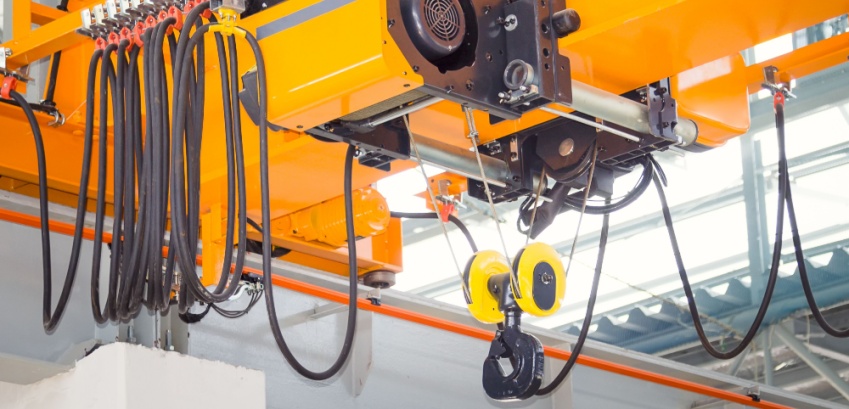
A crane inspection goes beyond a quick check—it’s a structured evaluation of system operation, component condition, and where potential issues may be developing.
1. Evaluating how the crane operates.
Inspection begins by observing how the crane actually runs. Our team looks at lifting, travel, stopping, and response to operator input to understand how the system performs under normal conditions.
This step usually includes observing:
- Load handling during lifting and lowering
- Crane movement across the runway or beam
- Brake performance and stopping behavior
- How consistently operator input translates into crane response
2. Reviewing key systems and components.
Mechanical, electrical, and control systems are evaluated for wear, inconsistencies, and early signs of developing issues. This helps surface problems that may not be obvious in day-to-day operation.
This part of the inspection evaluates how these systems function together, not just as separate components, helping identify issues that develop across the system over time.
3. Documenting findings and next steps.
Each inspection results in documented findings that explain what was identified and what it means. From there, we help establish next steps—monitoring, adjustments, repair planning, or upgrade evaluation.
The goal is to turn inspection results into clear, actionable decisions that keep the crane operating safely and predictably.
Frequently Asked Questions | Farmington, MO, Crane Inspection
Most questions related to crane inspections involve scope, timing, and what happens after findings are identified.
What does a crane inspection include?
What kinds of issues are often found during a crane inspection?
- Shifts in lifting, stopping, or travel behavior
- Mechanical wear in components or load-handling systems
- Inconsistent brake or control response
- Electrical faults or unexpected shutdowns during operation
- Alignment issues, calibration drift, or early-stage performance problems
Can a crane pass inspection and still need attention?
What information is helpful before scheduling a crane inspection?
- Crane type, capacity, and general application
- How often the equipment is used and under what conditions
- Any recent changes in lifting, travel, braking, or control response
- Known faults, shutdowns, or recurring operator complaints
- Recent maintenance history or past inspection findings
How often should a crane be inspected?
What happens after a crane inspection?
Can a crane inspection help prevent downtime?
Do all inspection findings require immediate repair?
Why Facilities Work With ELS for Crane Inspections in Farmington, MO
Engineered Lifting Systems approaches crane inspections within the context of the full equipment lifecycle, not just as a standalone checklist. By looking at how cranes operate in the field, our team helps facilities identify what’s changing, what’s stable, and what needs attention.
This perspective ties inspection findings to real-world decisions. Instead of generic reports, you get practical guidance on monitoring, adjustments, repair planning, and when to evaluate larger system upgrades.
Our team provides inspection support alongside service, repair, and modernization work across active crane systems.
Additional capabilities include:
- Magnetek Crane Controls
- Magnetek Replacement Parts
- Magnetek Drive Repair
- Magnetek Distributor
- Weidmuller Authorized Distributor
- Weidmuller Connectors and Terminal Blocks
- NORD Authorized Distributor
Schedule Crane Inspection in Farmington, MO, Today
If your crane is showing inconsistent performance, unusual behavior, or signs of wear, a structured inspection helps define what’s happening and what to do next.
Call 866-756-1200 or contact our team to schedule Farmington, MO, crane inspection or evaluate your equipment condition.