
Overhead Crane Parts
From brakes and hoists to controls and relays, Overhead Crane Parts support how heavy lifting systems move, stop, and respond during daily operation. These components influence consistency, reliability, and how a crane behaves over time as equipment ages or operating demands change.
At Engineered Lifting Systems, our overhead crane services include parts support tied to inspection, maintenance, and repair work across a wide range of crane systems and manufacturers. If you need help sourcing or supporting overhead crane parts, contact our team or call 866-756-1200.
Learn More About
- Why overhead crane parts affect safety margins, workflow, and long-term equipment reliability
- The main crane part categories and how failures in one area impact the rest of the system
- Answers to common questions about part replacement, compatibility, and inspection findings
- How ELS supports crane parts sourcing, repair, and upgrades as part of active systems
Who This Page Is For
Our overhead crane services include part installation, maintenance, and inspections that adapt to specific operational use-cases. This page is most relevant for:
- Facility managers, engineers, and crane operators responsible for day-to-day equipment performance
- Purchasing teams scoping crane part replacement, repair, or installation work
- Maintenance and reliability teams supporting active crane systems
- Operations working with mixed systems, legacy equipment, or parts tied to inspection findings and maintenance planning
Our overhead crane services apply to major brands and manufacturers including Magnetek, NORD, J. R. Merritt, and others.
Why Overhead Crane Parts Matter
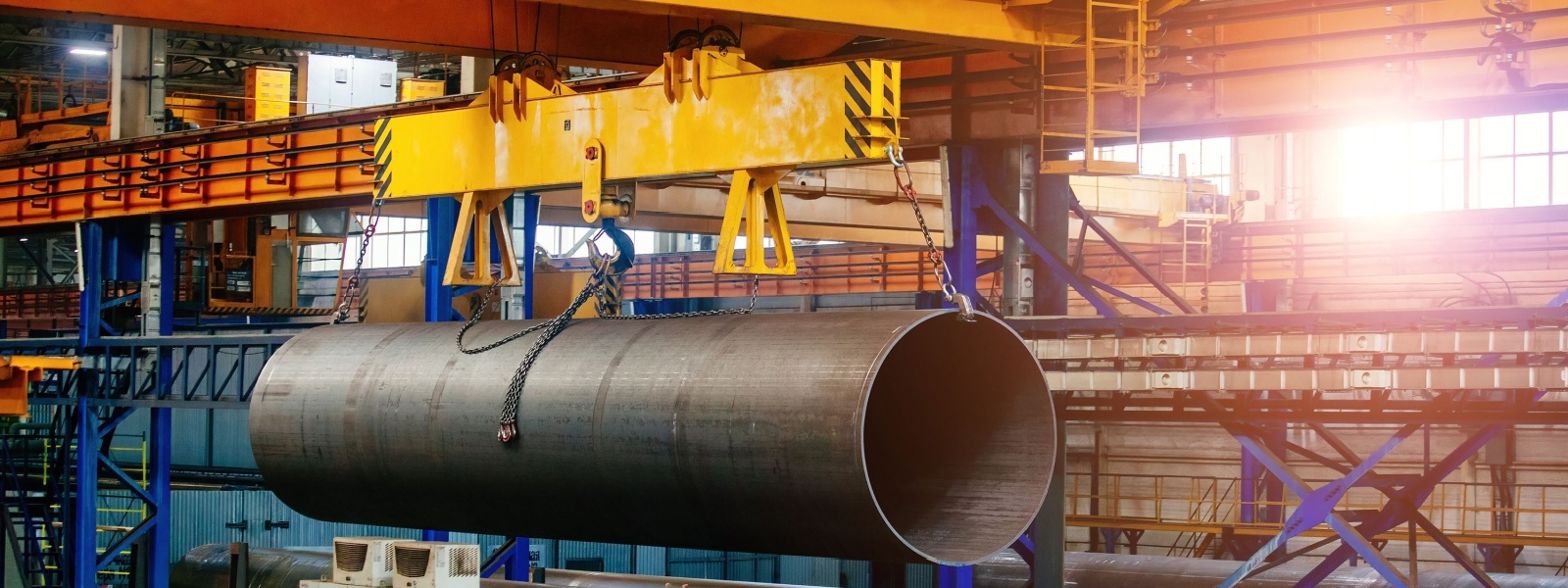
Overhead cranes rely on a wide range of mechanical, electrical, and control-related components to operate consistently over time. Decisions around overhead crane parts are often treated as simple replacements, but in practice they represent ongoing investments—financially and operationally—in safety, reliability, and usable service life.
Crane functions, components, and their individual parts are designed to work together as part of a complete system. As equipment ages, duty cycles change, or systems are modified, even small differences between original and replacement components can alter how the crane behaves during normal operation.
Common overhead crane part categories include:
- Hoisting components such as hoists, wire rope, drums, and load blocks
- Braking and motion-control components
- Gearing, couplings, shafts, and drive-related assemblies
- Electrical and control-related components
- Supporting mechanical hardware tied to alignment and load path
These categories form the foundation of crane performance and help explain why part decisions influence operation, maintenance, and long-term reliability.
Crane Parts, Workflow, and Day-to-Day Crane Operation
Crane components rarely affect just one aspect of operation. Decisions around part selection, replacement, and crane load configuration show up in how equipment fits into daily workflows and how consistently it performs over time.
1. Parts as system inputs
Individual crane parts are designed to work within a broader mechanical and electrical system. Changes in operating conditions, lifting duty cycles, system configuration, or component availability can affect how parts behave once installed.
Even when a replacement part matches an original specification, differences in design, materials, or integration can alter how the crane moves, stops, and responds during normal use.
2. Workflow and operational consistency
When crane behavior changes, it often shows up in workflow first. Operators adjust habits, lift sequencing changes, and production pacing adapts to compensate for differences in motion, braking response, or control feel. Over time, these adjustments can influence throughput, crane lifting safety, and maintenance demands.
3. Day-to-day performance over time
As crane components age and operating hours accumulate, wear develops in predictable ways. Parts reach the limits of their effective service life, duty cycles push components harder than originally intended, and systems that once behaved consistently begin to drift.
Recognizing when parts are aging out or becoming overworked helps teams decide when inspection findings call for adjustment, rebuild, or replacement instead of continued operation. Patterns seen across heavy equipment—such as expected component lifespan and early signs of overworked equipment—apply directly to crane systems.
How Crane Parts Set Operational Limits and Safety Margins
Overhead crane parts don’t just influence how equipment performs—they define the limits within which a crane can operate safely and predictably. As components wear, drift out of tolerance, or age beyond their intended service life, those limits narrow, even if the crane is still running. Patterns around expected component lifespan and long-term equipment longevity help explain how those margins erode as equipment ages.
Safety risks tied to component condition
Changes in braking response, hoist behavior, load control, or travel smoothness increase risk to workers, loads, and surrounding equipment when parts no longer perform as designed due to wear, fatigue, or misalignment. Issues tied to degraded braking response or improper load control often appear as subtle changes before escalating into safety concerns.
- Reduced braking effectiveness or inconsistent stopping distance
- Loss of precise load control during lifting or lowering
- Increased sway, drift, or uneven travel under load
- Higher likelihood of component failure during peak duty
Recognizing these changes early helps teams address component condition before safety margins narrow further.
Inspection and maintenance as limit management
Inspection and maintenance matter most when managing operational limits. Regular crane inspections identify when parts are approaching or exceeding acceptable wear limits, while timely crane repair work restores performance before small issues turn into safety or uptime problems. Proactive management reduces unplanned downtime and avoids the cascading effects seen in broader downtime scenarios.
Inspection results also help teams recognize when components are nearing the end of their usable life, particularly for critical parts where end-of-life planning affects both safety and long-term support.
- Inspection findings help prioritize which parts require attention
- Maintenance extends the usable life of critical components
- Planned repairs reduce unplanned downtime and emergency failures
- Targeted part replacement protects both equipment and operators
Investing in the parts already supporting your crane system—through inspection, maintenance, and timely replacement—is a practical way to preserve safety margins and operational reliability. Knowing when to repair or replace specific components helps avoid reactive failures, reduce downtime, and prevent incidents that carry far higher cost and risk.
Overhead Crane Parts & Components We Support
Overhead crane systems rely on multiple component groups that support lifting, travel, braking, and control functions. Understanding how these parts work together—and how wear or failure in one area affects others—helps frame inspection findings, maintenance decisions, and replacement planning.
Motion, Lifting, and Load Handling
These components handle vertical lifting, horizontal travel, and load positioning for overhead crane systems. They form the physical load path and determine how smoothly and predictably the crane moves under weight. This includes:
- Hoists and hoist assemblies
- Wire rope, chain, and reeving components
- Drums, sheaves, and load blocks
- Gearboxes and gear assemblies
- Couplings, shafts, and bearings
- End trucks, wheels, and travel components
When any part of this chain wears, cracks, or falls out of alignment, the impact rarely stays isolated. A damaged hoist component, worn bearing, or misaligned travel assembly can shift load paths, increase stress on adjacent parts, and accelerate wear elsewhere in the system—often long before a single “failed” part is obvious.
Braking, Control, and Operator Interface
These components govern how motion is commanded, limited, and stopped. They sit between operator intent and mechanical response, shaping how precisely the crane starts, stops, and positions loads during daily operation. This includes:
- Service and holding brake assemblies
- Control pendants and operator stations
- Radio remote control systems
- Limit switches and motion-limiting devices
- Control relays, contactors, and logic components
Because these systems regulate motion rather than carrying load directly, early degradation often shows up as subtle behavior changes instead of hard failures. Delayed braking, inconsistent response, or unclear operator feedback can quietly increase risk, reduce precision, and place additional demand on mechanical components downstream.
Power, Electrification, and Feedback
These components supply power to crane systems and provide the feedback required for stable motion, monitoring, and diagnostics. They influence how consistently energy and signals move through the system as operating conditions change. This includes:
- Power delivery and distribution components
- Festoon systems, conductor bar, and cable management
- Motors and motor-related assemblies
- Encoders, sensors, and feedback devices
- Supporting electrical hardware and connections
When power delivery or feedback begins to degrade, the effects tend to cascade. Inconsistent signals, voltage drops, or intermittent connections can cause erratic motion, nuisance faults, or compensating behavior that increases wear on brakes, drives, and mechanical assemblies—even when those parts are otherwise in acceptable condition.
How Overhead Crane Parts Show Up in Real Operations
In active facilities, overhead crane parts aren’t experienced as individual components—they show up through how equipment behaves during routine work. Common operating contexts include:
- Single-workstation cranes supporting assembly, fabrication, or maintenance tasks
- Process cranes integrated into production lines where motion consistency affects throughput
- Staged lifting operations that rely on predictable positioning and repeatable travel
- High-duty systems running extended shifts or continuous cycles
- Legacy crane systems adapted to new layouts, loads, or operating demands
In each case, these parts quietly shape how the crane behaves during normal use.
Frequently Asked Questions | Crane Parts, Replacements, & Maintenance
Practical questions we hear when teams are sourcing, maintaining, or replacing overhead crane parts in active systems.
How do I know when an overhead crane part actually needs to be replaced?
Are overhead crane parts interchangeable between manufacturers?
What information helps when sourcing or replacing overhead crane parts?
Can replacing one part affect other crane components?
How do inspections influence overhead crane parts decisions?
Is it better to repair a crane part or replace it?
When should overhead crane parts be reviewed as part of a larger upgrade?
Overhead Crane Parts Support From Engineered Lifting Systems
Overhead crane parts decisions don’t happen in isolation. They’re shaped by inspection findings, maintenance planning, system upgrades, and how equipment is expected to perform over time. Supporting parts in active crane systems often involves more than sourcing a replacement—it requires context across mechanical, electrical, and control functions as conditions change.
- Crane inspections tied to part condition
- Scheduled preventative maintenance
- Mechanical repairs and adjustments
- Brake rebuilds
- Electrical troubleshooting and repairs
- Overhead crane modernization projects
- Targeted structural repairs
- In-house engineering support
- Large inventory of crane parts
- On-site service by trained crane technicians
At Engineered Lifting Systems, parts support is integrated into the broader work we do across inspection, maintenance, repair, and system upgrades. That perspective helps teams avoid part substitutions or replacements that solve one issue while creating another.
Related services and systems we support include:
- Crane Modernization
- Overhead Crane Automation
- Crane Repair
- Process Cranes
- Crane Inspection
- NORD Gearbox Parts
- Weidmuller Power Supplies & Relays
If you’re evaluating component condition, planning part replacement, or responding to inspection findings, our team can help align your needs with how your equipment should operate. Contact our team or call 866-756-1200 to learn more about inspection, replacement, and repairs for overhead crane parts.