
Overhead Crane Parts in Poplar Bluff, MO
From hoisting equipment and brakes to control and relay components, Overhead Crane Parts in Poplar Bluff, MO, support how heavy lifting systems move, stop, and respond in regular operation. Over time, these components shape consistency, reliability, and how a crane behaves as equipment ages or operating conditions change.
At Engineered Lifting Systems, we provide parts support as part of our broader overhead crane services, including inspection, maintenance, and repair across a wide range of systems and manufacturers. If you need help sourcing or supporting Poplar Bluff, MO, overhead crane parts, contact our team or call 866-756-1200.
Learn More About
- Why Poplar Bluff, MO, overhead crane parts affect safety margins, workflow, and long-term equipment reliability
- The main crane part categories and how failures in one area impact the rest of the system
- Answers to common questions about part replacement, compatibility, and inspection findings
- How ELS supports overhead crane parts sourcing, repair, and upgrades as part of active systems
Who This Page Is For
In Poplar Bluff, MO, our overhead crane services provide installation, maintenance, and inspection support based on how equipment is used in practice. This page is relevant for:
- Technical and facilities leadership responsible for ongoing crane and equipment performance
- Procurement and purchasing teams evaluating crane part replacement, repair, or installation needs
- Teams tasked with maintaining and supporting operational crane systems
- Teams overseeing operations involving mixed systems, legacy equipment, and inspection-related part needs
We support overhead crane services across well-known brands and manufacturers, including Magnetek, NORD, J. R. Merritt, and others used in industrial environments.
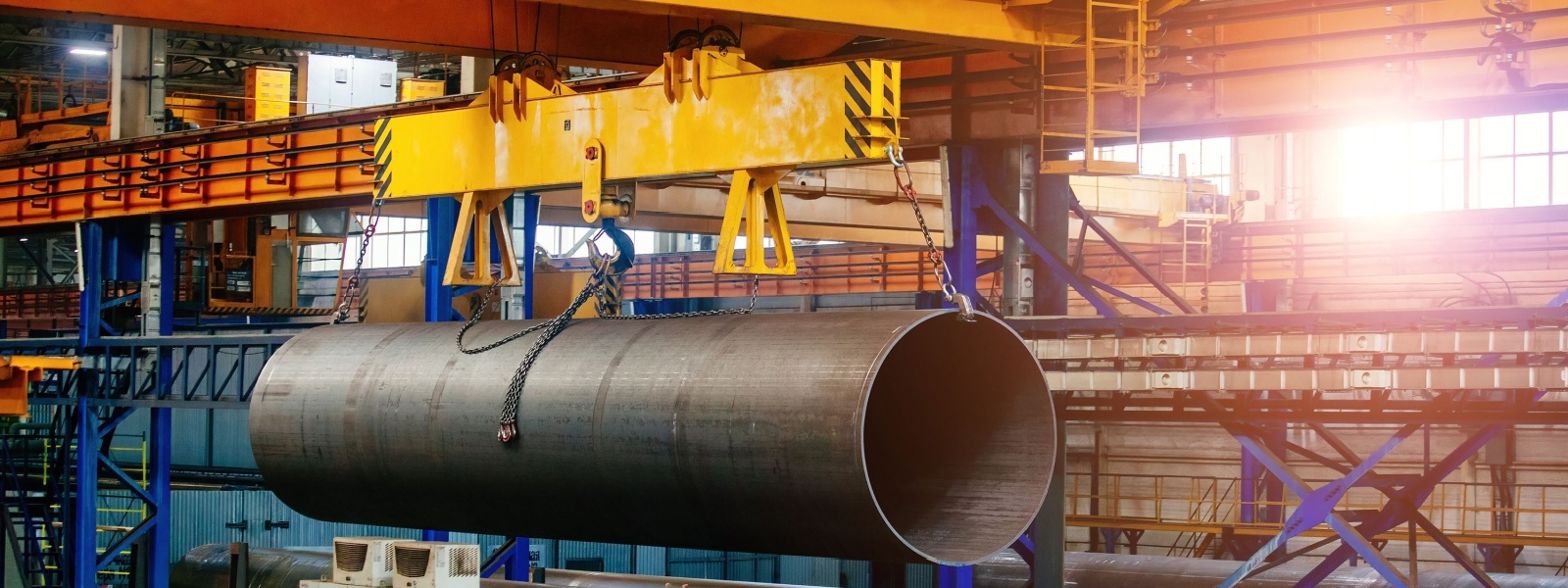
Why Poplar Bluff, MO, Overhead Crane Parts Matter
Mechanical assemblies, electrical hardware, and control components all play a role in keeping overhead cranes operating predictably over time. Part decisions may seem routine, but they usually carry longer-term implications for safety, reliability, and overall service life.
Crane functions, components, and related parts work together as a unified system. Over time, changes in equipment age, operating cycles, or system modifications mean that even minor differences in replacement components can influence how the crane performs in regular use.
Overhead crane parts are commonly grouped into categories such as:
- Primary lifting components like hoists, wire rope, drums, and load blocks
- Motion-control and braking hardware that governs crane movement and stopping
- Mechanical drive assemblies that transfer power through gears, couplings, and shafts
- Electrical systems and control components that manage crane operation
- Structural and mechanical components supporting alignment and load transfer
These categories help define how cranes perform and why part decisions carry implications for operation, maintenance, and long-term reliability.
Crane Parts, Workflow, and Day-to-Day Crane Operation
Individual crane components often affect multiple aspects of operation. Decisions around part selection, replacement, and crane load configuration influence how equipment supports daily work and responds under normal operating conditions.
1. Parts as system inputs
Crane parts are built to operate as part of an integrated mechanical and electrical system. Variations in operating conditions, lifting duty cycles, system configuration, or component availability may influence how parts behave once installed.
Even with specification-matched replacements, changes in design, materials, or integration can shift how the crane moves, stops, and responds under normal operating conditions.
2. Workflow and operational consistency
Changes in crane behavior tend to surface first in daily workflow. Operators adapt how they work, lift sequences shift, and production pacing adjusts in response to differences in motion, braking response, or control feel. Over time, those adaptations can affect throughput, crane lifting safety, and maintenance requirements.
3. Day-to-day performance over time
As crane components age and operating hours accumulate, wear develops in predictable ways. Parts reach the limits of their effective service life, duty cycles push components harder than originally intended, and systems that once behaved consistently begin to drift.
Recognizing when parts are aging out or becoming overworked helps teams decide when inspection findings call for adjustment, rebuild, or replacement instead of continued operation. Common patterns seen throughout heavy equipment—such as expected component lifespan and early signs of overworked equipment—are directly applicable to crane systems.
How Crane Parts Set Operational Limits and Safety Margins
For companies operating cranes in Poplar Bluff, MO, overhead crane parts affect both performance and the boundaries of safe, predictable operation. As components wear, drift out of tolerance, or age beyond their intended service life, those limits narrow, even if the crane is still running. Industry-wide patterns around expected component lifespan and long-term equipment longevity help explain how those margins erode as equipment ages.
Safety risks tied to component condition
Shifts in braking response, hoist behavior, load control, or travel smoothness can raise risk to workers, loads, and nearby equipment when parts no longer perform as designed due to wear, fatigue, or misalignment. Issues connected to degraded braking response or altered load control may show up as subtle changes before escalating into safety concerns.
- Reduced braking performance resulting in inconsistent stopping distance
- Impaired load control during lifting or lowering operations
- Increased sway, drift, or uneven travel under load
- Higher likelihood of component failure during peak duty
Recognizing these changes early helps teams respond to component condition before safety margins narrow further. For companies managing overhead crane parts in Poplar Bluff, MO, acting early reduces safety risk and unplanned downtime.
Inspection and maintenance as limit management
Inspection and maintenance matter most when operational limits are being managed actively. Regular crane inspections help identify parts nearing wear limits, while timely crane repair work restores performance before issues escalate into safety or uptime concerns. Proactive management reduces unplanned downtime and limits the cascading effects seen in larger downtime scenarios.
Inspection results also help teams recognize when components are nearing the end of their usable life, particularly for critical parts where end-of-life planning affects both safety and long-term support.
- Inspection findings guide teams toward parts that warrant immediate focus
- Ongoing maintenance helps extend the usable life of critical components
- Timely planned repairs reduce downtime and emergency failure risk
- Targeted replacement of parts helps safeguard equipment and operators
Investing in the parts already supporting your crane system—through inspection, maintenance, and timely replacement—is a practical way to preserve safety margins and operational reliability. Clear decisions about when to repair or replace specific components help avoid reactive failures, reduce downtime, and prevent higher-cost, higher-risk incidents.
Poplar Bluff, MO, Overhead Crane Parts & Components We Support
Overhead crane systems rely on multiple component groups that support lifting, travel, braking, and control functions. Understanding how these parts work together—and how wear or failure in one area affects others—helps frame inspection findings, maintenance decisions, and replacement planning.
Motion, Lifting, and Load Handling
These system components control vertical lifting, horizontal movement, and load positioning in overhead crane operation. They form the physical load path and influence crane motion under load. This includes:
- Hoists and hoist assemblies
- Reeving components including wire rope and chain
- Drum and sheave assemblies with load blocks
- Gearboxes and related gear assemblies
- Couplings, shafts, and bearings
- Travel components including end trucks and wheels
Wear, cracking, or misalignment anywhere in the load-handling chain rarely remains isolated. Localized issues often introduce uneven loading and added stress that speeds up wear in other components.
These systems govern motion control by translating operator intent into mechanical response, shaping how accurately the crane starts, stops, and positions loads during routine operation. This includes:
- Brake assemblies used for service and load holding
- Operator control pendants and stations
- Remote control systems using radio communication
- Limit switches and motion-limiting components
- Control logic components including relays and contactors
Because these components govern motion instead of carrying load, early issues tend to surface as behavior changes rather than immediate failures. Delayed braking, inconsistent response, or unclear feedback can quietly increase risk, reduce precision, and place greater demand on downstream mechanical components.
Power, Electrification, and Feedback
These components handle power delivery and feedback signals that keep crane motion stable and allow for monitoring and diagnostics. They influence how consistently energy and signals move through the system as operating conditions change. This includes:
- Power delivery and electrical distribution components
- Cable and power management systems such as festoons and conductor bar
- Motor assemblies supporting crane motion
- Encoders, sensors, and feedback devices
- Supporting electrical hardware and system connections
When power or feedback performance declines, cascading effects often follow. Voltage drops, inconsistent signals, or intermittent connections can cause erratic motion, nuisance faults, or system compensation that accelerates wear on brakes, drives, and mechanical assemblies despite acceptable condition elsewhere.
How Overhead Crane Parts Show Up in Real Operations
In day-to-day operations, overhead crane parts are experienced through routine equipment performance rather than as standalone components.
- Single-station crane systems supporting assembly, fabrication, or maintenance work
- Process cranes tied into production lines where consistent motion influences throughput
- Staged lift sequences that depend on predictable positioning and repeatable movement
- Crane systems subjected to high duty during extended or continuous operation
- Existing crane systems retrofitted to accommodate new layouts, loads, or demands
In all of these cases, component condition quietly influences how the crane behaves in daily operation.
Frequently Asked Questions | Poplar Bluff, MO, Overhead Crane Parts, Replacements, & Maintenance
Practical questions that come up when teams are sourcing, maintaining, or replacing overhead crane parts in working systems.
How do I determine whether an overhead crane part in Poplar Bluff, MO, needs to be replaced?
Do overhead crane parts interchange across different manufacturers?
What information is useful when selecting replacement overhead crane parts in Poplar Bluff, MO?
Can replacing one part affect other crane components?
How do inspections influence overhead crane part decisions in Poplar Bluff, MO?
Is repairing a crane part a better option than replacing it?
When should overhead crane parts be reviewed as part of a larger upgrade?
Overhead Crane Parts Support From Engineered Lifting Systems
Overhead crane part decisions in Poplar Bluff, MO, are rarely isolated. Inspection findings, maintenance planning, system upgrades, and long-term performance expectations all shape how parts are supported in active crane systems, often requiring broader mechanical, electrical, and control context beyond simple replacement.
- Crane inspections informed by component condition
- Planned preventative maintenance programs
- Mechanical repairs and system adjustments
- Brake rebuilds
- Electrical fault tracing and repair
- Overhead crane modernization projects
- Targeted structural repairs
- Engineering support provided in-house
- Stocked inventory of crane parts
- On-site crane service from trained technicians
At Engineered Lifting Systems, parts support is part of a larger approach that spans inspection, maintenance, repair, and system upgrades. That perspective helps teams avoid part substitutions or replacements that solve one issue while creating another.
Supporting services and systems include:
- Magnetek Drive Repair
- Magnetek Distributor
- Weidmuller Authorized Distributor
- Weidmuller Connectors and Terminal Blocks
- NORD Authorized Distributor
- Weidmuller Power Supplies and Relays
- NORD Gearbox Replacement Parts
If inspection findings or part condition are shaping your next steps, our team can help align replacement and repair decisions with equipment operation. Contact our team or call 866-756-1200 to learn more about inspection, replacement, and repairs for Poplar Bluff, MO, overhead crane parts.