
Magnetek Drive Repair in St. Louis, MO
Crane problems connected to St. Louis, MO, Magnetek drive repair often begin when drive faults affect motor response, torque, or speed control. Those changes can lead to uneven movement, poor positioning, and production delays.
When drive issues begin affecting daily production, the repair decision should focus on practical outcomes like:
- Restoring smoother starts, stops, and load positioning
- Reducing repeat faults, resets, and avoidable service calls
- Maintaining support options for older Magnetek-equipped crane systems
- Addressing the issue before repeat downtime spreads into larger crane concerns
A drive fault should be reviewed in context before the repair path is narrowed. Our team at Engineered Lifting Systems looks at how the drive works with the crane system before recommending adjustment, repair, replacement, or a wider review.
Learn More About
For Magnetek drive repair in St. Louis, MO, replacement planning, or a practical next step for your equipment, contact our team or call 866-756-1200.
What Magnetek Drives Do During Lifting and Travel
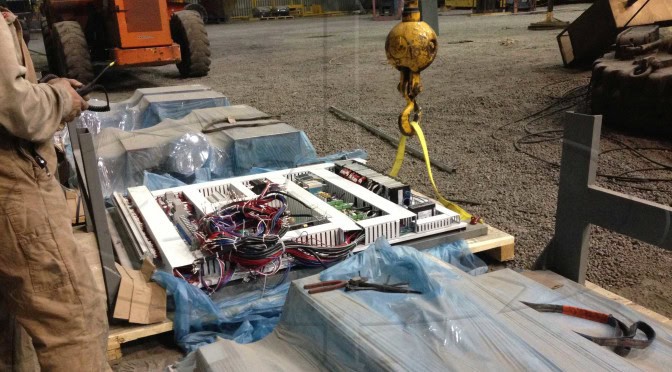
During lifting, lowering, bridge movement, and trolley travel, Magnetek drives help determine how crane motors respond. Rather than acting like a basic on/off control, the drive shapes speed, torque, acceleration, and braking behavior across the operating cycle. That coordination between the motor and the drive is a key part of motor and drive system performance.
That drive control shows up across several parts of normal crane operation:
- Starting and acceleration: Less abrupt motion as the crane starts a lift or begins bridge or trolley travel.
- Speed changes: More predictable changes between positioning speed, travel speed, and other movement demands.
- Torque response: Motor behavior that stays more predictable as weight, direction, or movement changes.
- Stopping behavior: Drive behavior that supports cleaner stopping instead of abrupt or inconsistent motion.
- Operator control: Predictable response during hoist, bridge, and trolley movement.
A coordinated drive system helps the crane feel consistent during everyday operation. When that coordination breaks down, problems may show up as uneven motion, delayed response, or changes in how the crane stops. St. Louis, MO, Magnetek drive repair should start with understanding whether those symptoms point to the drive, surrounding controls, or another part of the motion system.
Warning Signs of Magnetek Drive Control Issues
Drive problems often show up as small changes in crane behavior before a larger failure is obvious. Operators may notice the crane reacting differently, taking more effort to position, or stopping inconsistently. Because crane operation depends on coordinated controls, braking, and motion equipment, these changes should not be ignored under OSHA overhead and gantry crane standards.
Key warning signs to watch include:
Jerky or uneven motion
Uneven movement under normal operation may point to more than operator input. The drive, load conditions, and motion-control settings can all affect how smooth the crane feels.
Left unresolved, uneven movement can turn into a pattern of correction, compensation, and harder positioning.
Delayed or inconsistent response
The crane may feel slow to react during startup, stopping, or speed transitions.
- Slow response when motion begins
- Slower-than-expected deceleration
- Uneven positioning during lifts
A delayed response may point to the drive, control signals, braking behavior, or how those systems are working together.
Stopping issues and torque variation
The crane may not stop the same way every time, and torque delivery may vary as the load or movement demand changes.
These symptoms often point to a drive that is not coordinating cleanly with the brakes or motors.
Repeat faults or control changes
Repeated faults, frequent resets, or behavior that changes after repair work usually deserve a deeper review.
The issue may involve drive configuration, component wear, operating conditions, or coordination across the surrounding crane system.
These problems may still be repairable, but they should not be treated as isolated symptoms. Before the next repair decision is made, St. Louis, MO, Magnetek drive repair should look at the drive, related controls, stopping behavior, and the larger motion system together.
Repair vs. Replacement for Magnetek Drives
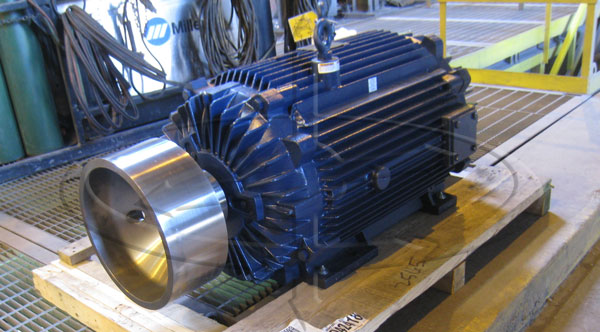
Not every Magnetek drive issue calls for the same fix. Some problems can be corrected through adjustment, parameter review, or targeted repair. Others point to a drive that is no longer stable, practical to support, or matched to how the crane is being used.
Choosing the right path means looking beyond the drive by itself. Fault history, operating demands, surrounding components, and crane performance all matter, which is why reliability-centered maintenance thinking can help guide the repair decision.
Can a Magnetek Drive Be Repaired Instead of Replaced?
A Magnetek drive may be repairable if the unit still makes sense to support and the fault points to a problem that can be corrected. For St. Louis, MO, Magnetek drive repair, that review may include configuration, wiring, cooling, communication, or internal component issues.
Repair or adjustment is usually most practical when the fault has a clear cause and the crane operates predictably after that issue is addressed.
How Do You Know When to Replace a Magnetek Drive?
A drive that keeps faulting, losing settings, or behaving unpredictably may be approaching the point where replacement is more practical than repair. That is especially true when the same issue has already been addressed, support components are scarce, or the crane’s current use has outgrown the drive.
An older drive may still function but no longer be the best choice for dependable crane operation. If the same repair keeps returning, replacement may reduce downtime and give the system a better long-term path.
When Should a Drive Fault Be Reviewed as Part of the Full Crane System?
A fault at the drive may point to something happening elsewhere in the crane system. Motor response, stopping behavior, duty demands, and past repair work can all shape what the drive is reacting to.
A broader system review may make sense when:
- Several parts of the crane seem affected at the same time
- The same motion problems continue after repair attempts
- Operators still report harder positioning or delayed response after drive work
- The problem involves more than the drive signal by itself
For St. Louis, MO, Magnetek drive repair, the goal should be a clearer repair decision, not another reset-and-repeat cycle. If the same fault keeps coming back or the crane behaves differently after previous work, the drive should be reviewed in context with the full system.
What Causes Magnetek Drive Faults to Keep Showing Up?
Magnetek drive faults need more than a code lookup when the crane is behaving differently. Before deciding on repair or replacement, Engineered Lifting Systems reviews the drive setup, operating demands, and changes in crane behavior together.
The issue may come from:
- Drive behavior: Parameter setup, fault history, operating response, and repeat issues that suggest the drive needs deeper review.
- Motor and brake interaction: The relationship between drive output, motor behavior, braking, and how the load settles.
- Controls and operator input: Pendants, radio controls, control panels, or recent updates that may change how the crane responds.
- Operating conditions: Load patterns, operating environment, heat exposure, cycle frequency, and duty cycle.
- Supportability: The practical repair, adjustment, and replacement paths for the existing Magnetek drive.
The goal is to tell whether the drive is the source or whether the fault is being caused by another part of the crane system.
Components to Review During Magnetek Drive Repair
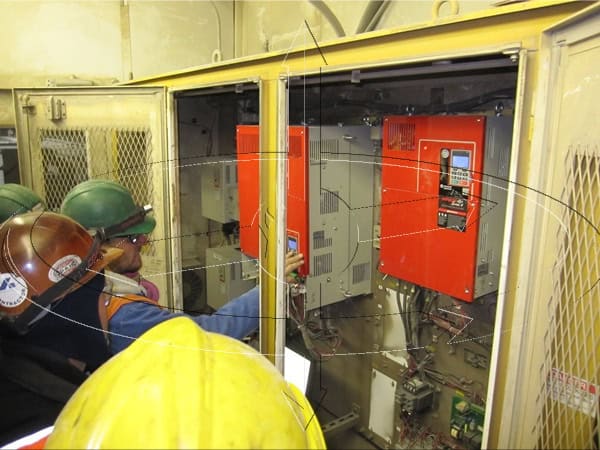
Magnetek drive repair in St. Louis, MO, should account for the parts of the crane that shape motion and stopping behavior. The motor, brake system, controls, and related components may all affect the final repair decision.
- Magnetek drives: Replacement drives and drive-related options for crane motion control.
- Magnetek motors: Motor response should fit the drive configuration, load demands, and how often the crane cycles.
- Mondel brakes: Stopping and holding depend on how drive timing works with brake behavior.
- Magnetek radio controls: Operator input through radio controls can affect response timing and motion feel after updates or repair.
- Magnetek material handling components: Other connected crane components can shape motion behavior and the way the drive responds.
The goal is not to replace parts blindly. The goal is to match drive repair or replacement to the components that shape crane movement in real use.
Magnetek Drive Repair FAQs for St. Louis, MO
Facilities often ask these questions when a Magnetek drive fault is tied to motion problems, older equipment, or a repair decision that could affect more than the drive itself.
When is a Magnetek drive no longer worth repairing?
A Magnetek drive should be considered for replacement when repair no longer restores reliable operation or when the drive has become difficult to support.
Common replacement indicators include:
- The same issue returns even after corrective work
- Settings do not stay stable during regular use
- Replacement parts or service support are limited
- The existing drive does not match the crane’s present application demands
- The crane still behaves unpredictably after the obvious drive issue has been addressed
The goal is not to replace the drive as quickly as possible. The better decision is the one that restores reliable crane behavior and reduces repeat downtime.
When should crane symptoms lead to Magnetek drive repair in St. Louis, MO?
Before a larger fault becomes obvious, operators may notice changes in crane movement, timing, stopping, or control feel.
- Crane motion that no longer feels smooth
- Lag between operator input and crane movement
- Inconsistent acceleration or deceleration
- Stopping behavior that no longer feels predictable
- Recurring drive faults during normal operation
- Positioning that takes more correction than normal
These warning signs call for review, not assumptions. The drive should be checked in context with motor response, braking behavior, controls, and the crane’s normal duty demands.
Why does my crane still behave differently after drive work?
A crane can still feel different after drive work if the repair changed how the drive interacts with the rest of the system.
The review may point to:
- Parameter settings that changed during repair
- Motor response under load
- Brake timing or stopping behavior
- Control updates or operator input changes
- Earlier service work that altered the current motion system
If operation continues but the feel has changed, the problem may be system coordination instead of a single part failure.
Can a drive fault be a symptom of another crane problem?
Yes. The drive may be reporting a condition that starts with another crane component.
Another part of the crane may change how the drive responds. Motors, brakes, wiring, feedback devices, controls, application demands, and operating conditions can all influence what the drive reports.
That is why repair decisions should look at the full crane setup, not just the drive fault by itself.
Can older Magnetek drives create compatibility issues?
Yes. A legacy Magnetek drive can become harder to match with the rest of the crane system as repairs, replacements, and updates accumulate.
Common concerns include:
- Older drive platforms with fewer support options
- Replacement options that may not be one-for-one matches
- Configuration settings that reflect an older operating pattern
- Updated crane components that affect how the drive responds
- Faults that keep returning because the platform is becoming harder to support
If an older drive still runs, the question becomes whether it can keep supporting normal crane behavior without recurring problems.
Can Magnetek drive repair in St. Louis, MO, reduce crane downtime?
Repair can reduce downtime when the drive issue is corrected in a way that restores predictable crane behavior.
If the same fault comes back after repair, the issue may involve drive settings, supportability, or another component affecting crane behavior.
The best repair path should reduce repeat service calls, restore predictable motion, and help the crane stay supportable during normal operation.
Why Facilities Choose ELS for Magnetek Drive Repair in St. Louis, MO
A Magnetek drive problem is rarely just a cabinet-level issue. The drive affects motor response, stopping behavior, operator control, and the way the crane handles load demands.
Facilities turn to Engineered Lifting Systems because we approach Magnetek drive repair as part of the crane system instead of a one-part guessing game.
For Magnetek drive repair in St. Louis, MO, we help you:
- Identify what changed in operation: Review fault history, response changes, repeat issues, and symptoms operators notice during normal crane use.
- Separate drive faults from system issues: Consider motors, brakes, controls, duty cycle, and connected crane components before recommending the next repair step.
- Support repair and replacement decisions: Help decide when repair is practical and when replacement is more likely to reduce recurring service problems.
- Account for legacy drive concerns: Review supportability, settings, component availability, and compatibility concerns on older Magnetek-equipped cranes.
- Reduce repeat service problems: Tie the repair decision to the actual cause so the problem is less likely to return in another form.
After the drive review, the best next step may involve replacement parts, planned upgrade work, or a larger crane-system improvement:
- Magnetek Crane Controls
- Magnetek Replacement Parts
- Weidmuller Terminal Blocks
- Magnetek Distributor
- Weidmuller Authorized Distributor
- Magnetek Parts Dealer
- Weidmuller Connectors and Terminal Blocks
- NORD Authorized Distributor
To discuss St. Louis, MO, Magnetek drive repair, call 866-756-1200 or contact us online with the fault details, symptoms, and performance concerns.