
Magnetek Drive Repair in Perryville, MO
Crane problems tied to Perryville, MO, Magnetek drive repair often start when the drive begins to fault, causing motors to respond inconsistently or lose their normal torque and speed. That change in control can result in poor positioning, uneven response, and production delays.
If drive issues are changing day-to-day operation, the repair decision should be tied to outcomes like:
- Improving how the crane starts, stops, and positions the load
- Cutting down on repeat drive issues and avoidable downtime calls
- Keeping older Magnetek-equipped cranes supportable
- Reducing downtime before the fault affects more of the crane system
The drive may report the fault even when the issue involves more of the crane. Our team at Engineered Lifting Systems reviews the drive, surrounding components, and crane behavior before recommending adjustment, repair, replacement, or a broader system review.
Learn More About
Call 866-756-1200 or contact our team to discuss Magnetek drive repair in Perryville, MO, replacement options, or the next repair step for your equipment.
What Magnetek Drives Do During Lifting and Travel
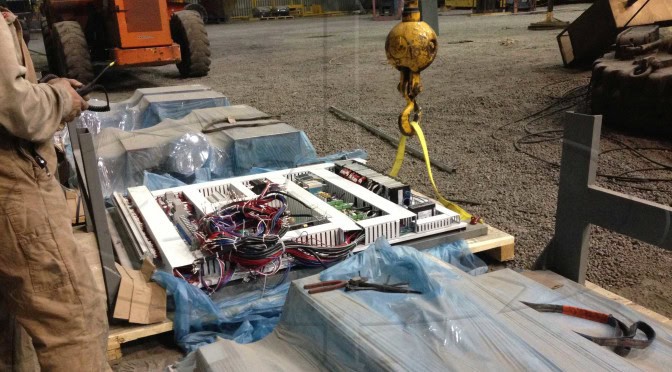
Magnetek drives support controlled crane movement by managing motor response through lift, lower, bridge, and trolley functions. The drive helps regulate speed, torque, acceleration, and deceleration so motion is not limited to abrupt starts and stops. That coordination is a core part of motor and drive system performance.
Those control functions help shape several parts of how the crane operates:
- Starting and acceleration: Controlled acceleration when the crane starts moving with load demands on the system.
- Speed changes: Better control as the crane shifts between slower moves and normal operating speed.
- Torque response: A steadier drive response when load demands shift during operation.
- Stopping behavior: A cleaner handoff between drive response and brake engagement at the end of motion.
- Operator control: Predictable movement response across lifting, bridge travel, and trolley operation.
When these functions stay coordinated, the crane should feel controlled and consistent during normal use. When they fall out of sync, drive problems often show up first as changes in motion, response, or stopping behavior. Perryville, MO, Magnetek drive repair often starts with tracing those symptoms back to the drive, related controls, or the broader motion system.
How Magnetek Drive Problems Show Up
Before a Magnetek drive problem becomes obvious, the crane may simply feel harder to control. Response changes, inconsistent stopping, or extra correction during positioning can all point to a developing drive or control issue. Since crane performance depends on the full motion system, those symptoms are worth reviewing in light of OSHA overhead and gantry crane standards.
Common warning signs include:
Jerky or uneven motion
Jerky movement can show up while the crane is lifting, lowering, traveling, or positioning a load. The cause may involve drive response, changing load conditions, or inconsistent control behavior.
Left alone, these issues can lead to repeated minor adjustments or operator compensation during normal use.
Delayed or inconsistent response
A lag in response can make normal movement feel less predictable during starts, stops, or speed changes.
- Delayed movement after an operator command
- Slower deceleration than expected
- Inconsistent positioning during lifts
When response changes, the issue may not sit in one component. The drive and surrounding motion systems should be reviewed together.
Stopping issues and torque variation
Stopping and load control can feel less consistent when torque response changes from one operating cycle to another.
These problems can suggest that the drive response is not lining up cleanly with braking or motor behavior.
Repeat faults or control changes
Frequent resets, repeated faults, or unexpected behavior after previous repairs usually call for a closer look.
The cause may involve drive setup, worn components, operating conditions, or how the surrounding crane system is working together.
These problems may still be repairable, but they should not be treated as isolated symptoms. Before the next repair decision is made, Perryville, MO, Magnetek drive repair should look at the drive, related controls, stopping behavior, and the larger motion system together.
Repair vs. Replacement for Magnetek Drives
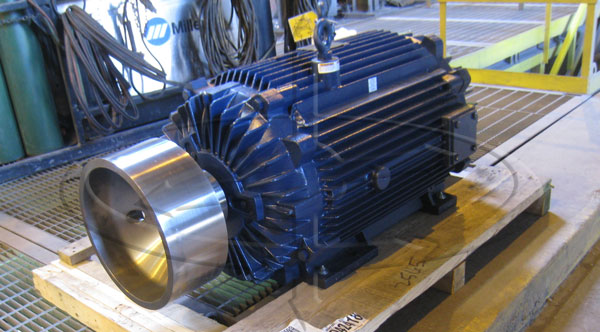
Magnetek drive problems do not all lead to the same answer. Some issues may be handled through adjustment, parameter review, or focused repair, while others suggest the drive is becoming harder to support or no longer fits the crane’s current use.
The decision should account for what changed, whether the problem keeps returning, and how the rest of the crane system affects the drive. That is where reliability-centered maintenance thinking helps: the goal is to match the repair decision to the crane’s actual performance needs, not just the first fault code that appears.
Is Magnetek Drive Repair Possible Before Replacement?
Repair can be the right path when the drive is still practical to service and the issue is not tied to a larger failure or obsolete support problem. For Perryville, MO, Magnetek drive repair, correctable causes may include settings, wiring, cooling, communication, or component-related problems.
Adjustment or repair is a better fit when the issue is specific, correctable, and followed by predictable crane operation once the work is complete.
When Should Replacement Be Considered for a Magnetek Drive?
Replacement should be considered when the drive is no longer dependable, no longer practical to support, or no longer a good fit for how the crane operates. Repeated faults, unstable settings, unresolved repair history, and limited component availability can all point in that direction.
With older Magnetek drives, the issue is not always whether the unit can still run. The larger question is whether continued repair will keep costing more time than a properly matched replacement would.
When Is the Drive Fault Not the Whole Problem?
A fault at the drive may point to something happening elsewhere in the crane system. Motor response, stopping behavior, duty demands, and past repair work can all shape what the drive is reacting to.
The issue may need a wider review when:
- More than one crane function feels unpredictable
- The same motion problems continue after repair attempts
- Operators continue to notice movement issues after the drive has been reviewed
- Drive symptoms overlap with stopping, control, or motor-response problems
Perryville, MO, Magnetek drive repair should account for more than the fault code when the same issue keeps returning. If previous work changed how the crane feels or failed to restore predictable motion, the full system needs to be part of the repair decision.
How to Find the Cause Behind Magnetek Drive Faults
A fault code can help identify where to start, but it should not be treated as the whole answer. Engineered Lifting Systems looks at how the drive is configured, how the crane is being used, and what changed before recommending repair or replacement.
A closer review may include:
- Drive behavior: Settings, stored faults, response changes, and repeated symptoms tied to drive operation.
- Motor and brake interaction: Whether the drive, motor, and braking behavior are working together cleanly during operation.
- Controls and operator input: Changes from pendants, radio controls, panels, or control updates that may affect crane response.
- Operating conditions: Application demands such as load pattern, operating frequency, heat, environment, and duty cycle.
- Supportability: The practical repair, adjustment, and replacement paths for the existing Magnetek drive.
Those details help separate a true drive failure from a control, brake, motor, or application issue that only shows up through the drive.
Components to Review During Magnetek Drive Repair
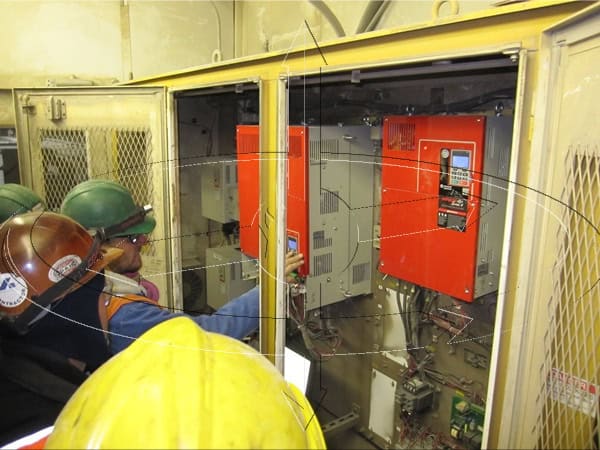
Magnetek drive repair in Perryville, MO, should account for the parts of the crane that shape motion and stopping behavior. The motor, brake system, controls, and related components may all affect the final repair decision.
- Magnetek drives: Replacement drives and related solutions for crane motion control applications.
- Magnetek motors: The motor and drive need to work together so speed, torque, and duty demands stay aligned.
- Mondel brakes: Brake behavior can affect how cleanly the crane stops, holds, and responds after drive work.
- Magnetek radio controls: Operator commands from radio controls may affect response, timing, and the feel of crane movement.
- Magnetek material handling components: System behavior can be affected by nearby crane components, feedback, and motion-related hardware.
The point is not blind replacement. The right repair decision should account for the parts that shape crane motion during real operation.
Magnetek Drive Repair FAQs for Perryville, MO
These questions focus on Magnetek drive faults, inconsistent crane behavior, legacy drive support, and repair decisions that may involve the broader crane system.
How do you know when a Magnetek drive should be replaced?
Replacement should be considered when a Magnetek drive can no longer be repaired in a way that restores reliable operation or practical support.
It may be time to consider replacement when:
- The same fault returns after repair, reset, or adjustment
- The drive cannot maintain stable settings or predictable response
- Support for the existing drive platform has become harder to find
- The drive no longer matches the crane’s current duty cycle or use
- The crane still shows motion or response problems after the obvious drive fault has been handled
A good replacement decision should reduce repeat downtime, not just remove the old drive from the cabinet.
When should crane symptoms lead to Magnetek drive repair in Perryville, MO?
Common warning signs often appear as changes in crane movement, response, or operator control before a larger failure is clear.
- Jerky or uneven movement
- Slow response after pendant or radio input
- Motion that speeds up or slows down unpredictably
- Stopping that feels different from one operating cycle to another
- Repeated resets tied to the same drive issue
- Load positioning that needs extra correction
These symptoms do not automatically prove the drive has failed. They do mean the drive should be reviewed with the rest of the crane system, including motor response, braking, control input, and operating conditions.
What if the crane still does not feel right after drive work?
The drive may be repaired, but the crane can still behave differently if the surrounding system is not responding the same way.
A closer review may include:
- Drive settings or parameters
- Load-related motor behavior
- Brake timing, stopping behavior, or load holding
- Operator input or control signal changes
- Earlier repairs that changed the crane’s current setup
If the crane runs but does not feel right, the problem may be coordination rather than a single failed part.
Can another crane component cause a drive fault?
A drive fault can point to the drive, but it can also reflect a problem elsewhere in the system.
A fault code can be helpful, but it may not tell the whole story. Motor response, stopping behavior, control signals, wiring, feedback, load conditions, and duty demands can all shape drive performance.
That broader review helps separate a true drive failure from a related crane-system issue showing up through the drive.
Can an older Magnetek drive still work with updated crane components?
Older Magnetek drives do not always fail outright. Sometimes the issue is whether the drive still fits the crane system as other components change.
Support and compatibility concerns may include:
- Support paths that are narrowing for older drives
- Replacement components that need compatibility review
- Configuration settings that reflect an older operating pattern
- Updated brakes or controls that respond differently with older drives
- Faults that keep returning because the platform is becoming harder to support
The drive’s current function matters, but so does its ability to stay supportable and predictable during regular crane operation.
Can Perryville, MO, Magnetek drive repair help keep downtime from returning?
Repair can reduce downtime when the drive issue is corrected in a way that restores predictable crane behavior.
If the same fault comes back after repair, the issue may involve drive settings, supportability, or another component affecting crane behavior.
A useful downtime decision should restore consistent operation, reduce repeat calls, and keep the crane supportable over time.
Why Work With ELS for Magnetek Drive Repair in Perryville, MO?
When Magnetek drive problems show up, the repair decision affects more than the drive itself. Drive behavior connects directly to motor response, braking coordination, operator control, and the way the crane performs under load.
Facilities turn to Engineered Lifting Systems because we approach Magnetek drive repair as part of the crane system instead of a one-part guessing game.
When you need Magnetek drive repair in Perryville, MO, we help you:
- Identify what changed in operation: Review what operators are seeing, what faults keep returning, and how the crane’s response has changed in use.
- Separate drive faults from system issues: Review the surrounding motion system before recommending repair, including motor behavior, braking, controls, duty cycle, and connected components.
- Support repair and replacement decisions: Review whether adjustment or repair can restore stable operation or whether replacement is the more practical next step.
- Account for legacy drive concerns: Evaluate whether the older drive platform still fits the crane’s settings, available parts, support options, and connected components.
- Reduce repeat service problems: Tie the repair decision to the actual cause so the problem is less likely to return in another form.
After the drive review, the best next step may involve replacement parts, planned upgrade work, or a larger crane-system improvement:
- Magnetek Replacement Parts
- Magnetek Distributor
- Weidmuller Authorized Distributor
- Weidmuller Connectors and Terminal Blocks
- NORD Authorized Distributor
For Perryville, MO, Magnetek drive repair, call 866-756-1200 or contact us online to discuss the fault, symptoms, and crane performance concerns.