NORD Flexbloc in Vermont
NORD Flexbloc units in Vermont provide compact speed reduction for equipment where physical fit and drive performance both matter. If the unit begins affecting operation, the installed drive details become more useful than the product family by itself.
Engineered Lifting Systems sources NORD Flexbloc units for equipment already in service and supports related gearbox replacement needs. When product information alone does not confirm the replacement, ELS reviews the installed setup to narrow the options before downtime grows.
Learn More About
- Where compact drive applications use these units
- Why drive setup details shape replacement
- Gear unit problems and warning signs to watch
- What affects replacement part sourcing
- Where these gear units fit in industrial equipment
- How early review helps reduce downtime
- Related parts and replacement options
- NORD Flexbloc common questions
Call 866-756-1200 or contact our team online to review an installed unit and available replacement options. For Vermont NORD Flexbloc replacement work, ELS accounts for equipment fit and the operating demands already established.
How Does NORD FLEXBLOC Support Driven Equipment?
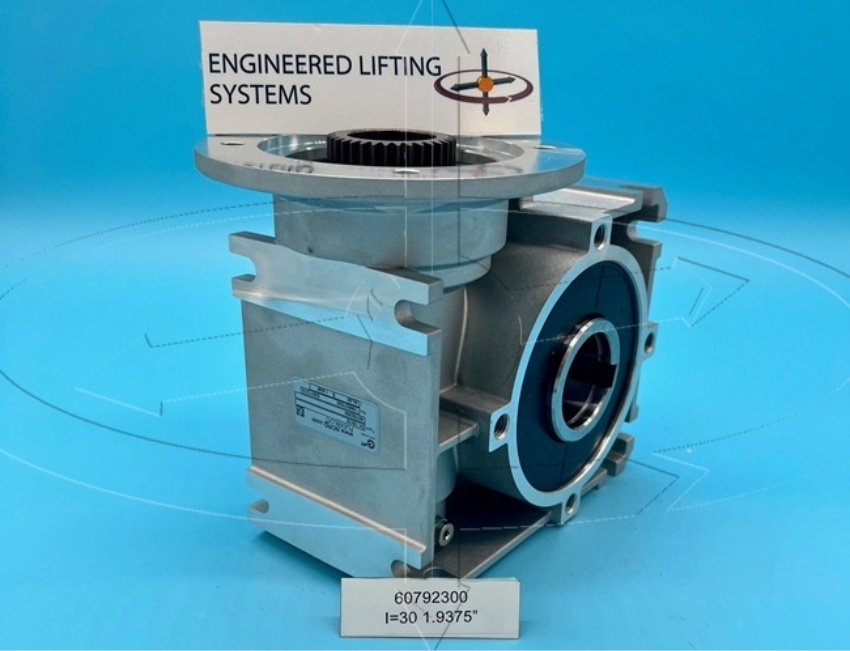
In compact drive setups, NORD FLEXBLOC worm gear units reduce motor speed and deliver the torque required by conveyors, electric hoists, lifting equipment, and related systems. Their compact design supports controlled motion without changing the established machine layout.
Finding the correct product family helps narrow the replacement search. The installed configuration still determines which unit fits the drive setup and works as intended when the equipment returns to service.
Common applications for NORD FLEXBLOC units in Vermont include equipment built around compact speed reduction and controlled motion:
- Conveyors supporting steady product movement through packaging or production workflows
- Hoists that rely on controlled movement within a limited drive space
- Machinery used for packaging where repeatable speed reduction must fit inside a confined layout
- Warehouse and logistics systems that transfer products between workstations
- Equipment where the installed drive arrangement depends on a compact worm gear unit
For these applications, a Flexbloc replacement must work with the existing drive setup. Matching the unit means accounting for equipment motion, available fit, and service demands rather than selecting the reducer as an isolated component.
What does a worm gear unit do?
Worm gears provide compact speed reduction by using a screw-like worm to drive a gear wheel. This design transfers torque, changes motion direction, and supports controlled equipment movement without requiring a large drive arrangement.
Why the Drive Setup Matters for NORD Flexbloc Replacement
NORD replacement parts must match the drive configuration already operating in the equipment. Identifying the Flexbloc product family narrows the search, but the installed setup determines which unit fits and runs correctly.
Details used to match a NORD Flexbloc replacement in Vermont include:
- Reduction ratio: The gear ratio influences the speed and torque delivered to the equipment after installation. If the replacement provides the wrong reduction, machine movement and timing may change when operation resumes.
- Shaft or bore style: The replacement has to connect cleanly to the existing drive components. Hollow bore, solid shaft, and output shaft details can all affect whether the unit fits the installed setup.
- Mounting setup: The mounting arrangement affects whether the unit fits without avoidable equipment changes. Foot, flange, and mounting-position details all affect how the unit fits equipment built around a specific reducer configuration.
- Motor input: The existing motor input also affects the replacement match, whether the setup uses a C-Face motor or NORD brakemotor that remains in service. If that connection is not matched, installation may stall after delivery.
- Service demands: The unit also has to support the duty cycle, service conditions, and equipment demands around it. A replacement that fits physically still has to support the way the machine actually runs.
Flexbloc replacement work should start with the drive setup, not only the product name. The right unit has to fit the machine and support the way the equipment runs once it returns to service.
When a NORD Flexbloc Gear Unit Needs Attention
NORD Flexbloc gear unit problems in Vermont may develop before the equipment stops completely. The unit might remain in service while excess heat, lubricant leakage, or changes caused by internal wear become more noticeable.
Signs that a unit needs review include:
Changes in gear unit sound or movement
New sound or movement during operation can point to internal wear, alignment issues, bearing problems, or stress elsewhere in the drive setup.
- Unusual grinding, humming, or knocking sounds
- Vibration that gets worse under load
- Rough movement when the equipment starts or stops
The signs may intensify over time without making the underlying cause immediately visible from the outside.
Visible oil around the gear unit
Oil around the unit housing can point to worn seals, gasket issues, overfilled lubrication, heat, or internal pressure that needs to be checked before a replacement is ordered.
A gear unit may continue operating after a leak appears, even as lubricant loss increases contamination risk and reducing the amount of dependable service time left before the problem becomes more difficult to manage.
Changes in normal gear unit temperature
Some operating heat is normal for a gear unit. The issue begins when the unit runs hotter than usual or the temperature increase occurs with another change in performance.
- Temperature climbs beyond the unit’s normal operating range
- Operating heat changes noticeably as equipment load increases
- Heat appears with noise, vibration, leakage, or changing motion
Unexpected heat should be considered alongside the machine’s workload and operating pattern. Those conditions help determine what the replacement unit will need to handle in service.
Inconsistent movement from the drive setup
The equipment may slow down or begin moving inconsistently without failing outright. These changes may appear first in loaded conveyors or production machinery that depends on steady torque from the drive.
When motion changes, the replacement needs to preserve the speed, torque, and connection details the equipment depends on.
A noisy, leaking, hot, or inconsistent unit does not always point to one repair path. The next step may be a like-for-like Flexbloc replacement, a related component, or a broader look at the NORD gear unit and drive system before another unit is ordered.
Finding the Right NORD Flexbloc Replacement Parts in Vermont
The right replacement path starts with the unit in service, but it should not stop at the product name. Depending on what failed and how the equipment is built, the answer may be a direct Flexbloc replacement, a related NORD component, a repair option, or a broader drive-system review.
Flexbloc Identification and Equipment Details
The more complete the starting information is, the easier it becomes to rule out mismatched parts and avoid delays during replacement sourcing.
- Clear photos of the Flexbloc unit, nameplate, and surrounding drive setup
- Gear ratio, model number, serial number, or visible product markings
- Mounting position, shaft or bore style, and available machine space
- Motor connection details, including brakemotor needs and nearby drive components
- Current symptoms and equipment load along with the replacement history and required timing
How a NORD Flexbloc Dealer in Vermont Supports Replacement Work
As a NORD dealer, ELS sources NORD Flexbloc replacement parts and reviews related NORD components when the situation may call for a replacement unit, NORD gearbox repair, or review of the complete system before sourcing moves forward.
Older Flexbloc installations may no longer match their original drive arrangement, and the unit tag may offer limited information. When downtime matters, replacement sourcing has to account for more than the number on the housing.
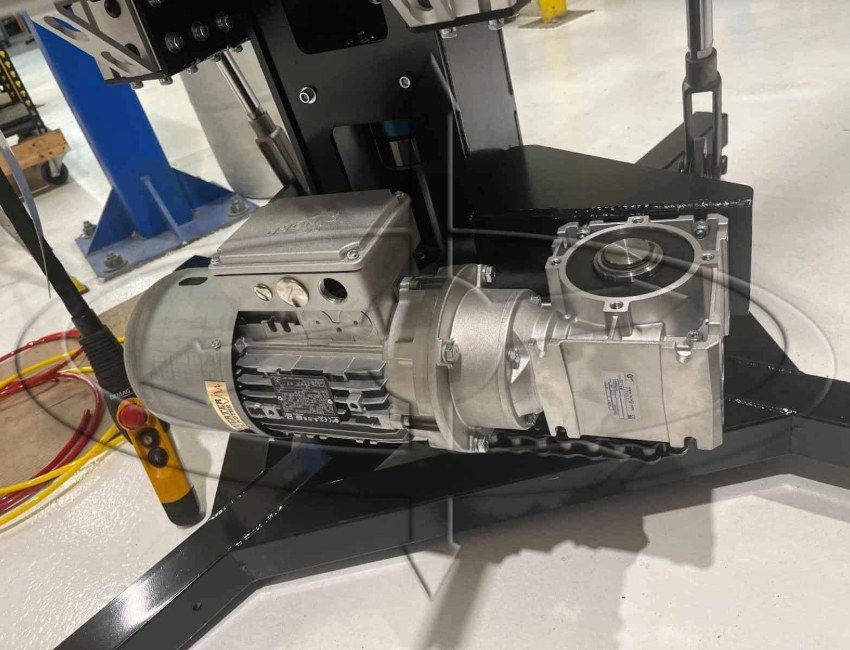
A Flexbloc unit operates alongside the motor and other components that transfer motion through the equipment. ELS accounts for those connections when supporting NORD replacement work.
Equipment That Uses NORD Flexbloc Gear Units
NORD Flexbloc gear units support Vermont machinery that needs compact speed reduction within a specific drive layout. The application is defined by the work the unit performs, from moving equipment to controlling its motion.
Flexbloc gear units are often used in:
“One drive issue is interrupting the conveyor line.”
Transfer and conveyor equipment depends on consistent drive performance to move materials through the system. Flexbloc replacement work has to preserve that movement within the machine’s existing layout.
- Production conveyors that need consistent motion between process steps
- Warehouse systems built around multiple conveyor drives
- Lines where a failed reducer interrupts product movement
“We need controlled movement from the lifting drive.”
Drive setups used with hoists, lifts, and overhead crane applications rely on the reducer to support predictable motion. The unit has to match equipment torque needs and braking requirements, installed mounting position, and connection to the surrounding equipment.
“The machine has limited space for the drive.”
Compact process equipment often places the drive within a limited machine layout. The new unit has to match the established fit and drive connections so the line continues moving correctly.
“The original drive setup no longer reflects the complete system.”
Drive requirements may change as equipment is expanded or upgraded. Projects involving new conveyor sections or overhead crane automation may place different demands on the reducer and motor setup.
The original Flexbloc category provides useful identification, but it may not account for later equipment changes. Replacement work should consider how the system was expanded or reconfigured during service.
“Operating conditions place extra demands on the drive.”
The operating environment affects how much stress a reducer carries during service. Grain systems and other industrial handling equipment may combine heavy loads with long runtimes or exposure to material around the drive. The operating environment helps define what the replacement will need to handle after installation.
When a Flexbloc problem develops, the replacement decision affects more than the reducer itself. Connected NORD components and machine details shape the match, while production needs influence when the work can move forward.
Planning Around a NORD Flexbloc Issue in Vermont
A reducer may continue operating even as warning signs develop. When heat or leakage becomes more noticeable and repeated service issues keep returning, the Flexbloc unit should be reviewed before it affects the surrounding equipment.
- Watch for changing symptoms: A unit may continue running while its sound, movement, or temperature changes. Recognizing those differences gives the maintenance team more time to respond.
- Check how the unit fits the larger system: Reviewing the surrounding drive helps show whether the reducer is the source or one part of a larger issue. Motor input, operating load, and connected components all affect that decision.
- Use operating time to plan the next step: Confirming replacement options before the equipment is down can reduce delays when the unit has to be repaired or replaced. Early review leaves room to evaluate a direct replacement as well as related NORD assemblies.
- Look beyond repeated unit failures: A recurring Flexbloc failure should prompt a review of how the unit operates within the equipment. Application load and service conditions should be reviewed alongside mounting, lubrication, and braking requirements.
Early preventive maintenance does not remove every source of downtime, but it helps facilities act before a reducer problem creates a larger interruption.
NORD Flexbloc Components and Replacement Paths
Some NORD Flexbloc replacement requests in Vermont involve other parts of the drive setup. Depending on the drive arrangement, the replacement path may involve the gear unit by itself or an assembly that includes the motor. Connected brake components and installation accessories may also need review.
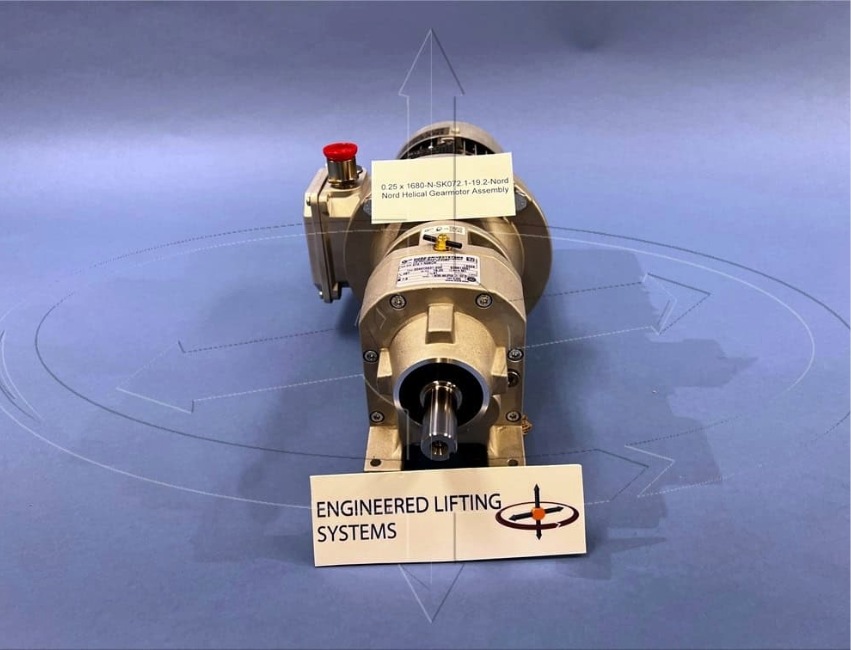
NORD SK072.1-19.2 Helical Gearmotor Assembly
NORD gearmotor assembly replacements
A full NORD gearmotor may be needed when the installed ratio, motor, and mounting arrangement form a matched setup. The replacement may not work as intended if one component is selected without accounting for the complete gearmotor setup.
Flexbloc gear unit options
The reducer may be replaced directly when the current Flexbloc unit and its installed configuration are known. The replacement has to support the same machine layout and drive connection.
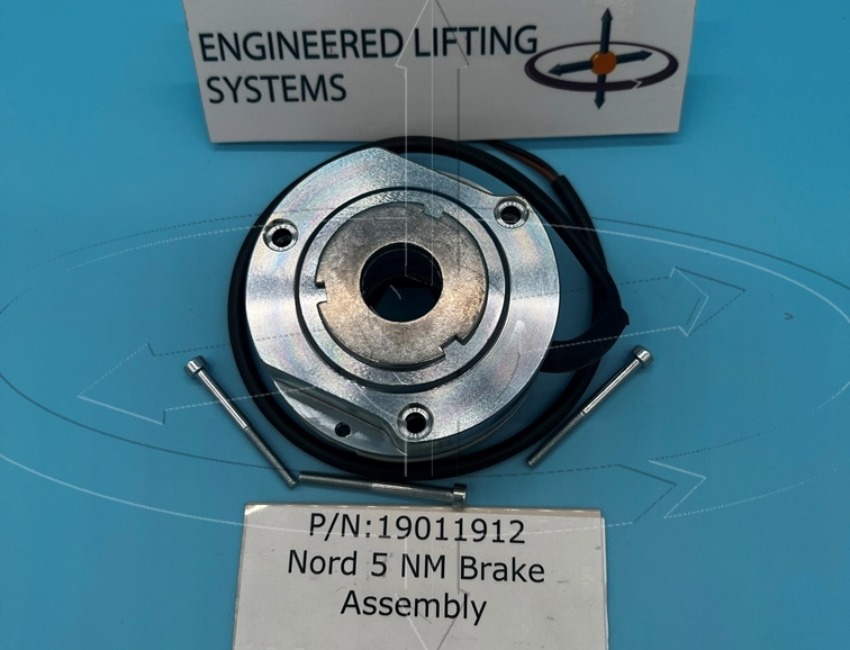
NORD 19011912 5 NM Complete Brake Assembly
NORD brake assemblies and components
The braking setup matters when the reducer operates equipment that has to lift, hold, or stop predictably. The brake and reducer have to support the movement required by the complete application.
Motor-input and brakemotor requirements
A Flexbloc replacement has to match the motor connection already used by the drive setup. C-Face connections and brakemotor requirements may change which NORD parts belong in the replacement setup. Electrical and mounting details also need to align.
Flexbloc mounting and connection parts
Output connection and mounting requirements help determine which accessories belong with the replacement. The correct shaft, bore, or mounting kit supports a cleaner fit within the existing layout.
Replacement review should identify the correct path before the order moves forward. The selected NORD component or assembly has to match the installed equipment, not merely the broader product family.
NORD Flexbloc Replacement FAQs
Answers to common questions about NORD Flexbloc replacement and sourcing.
When does a NORD Flexbloc unit in Vermont need replacement?
A Flexbloc unit may need replacement review when new symptoms develop or existing problems become more noticeable. Those symptoms may appear before the unit stops and may reflect a problem elsewhere in the drive setup.
Common replacement warning signs include:
- Noise, vibration, grinding, humming, or knocking near the gear unit
- Leakage near the housing or connected drive components
- A noticeable change in normal gear unit temperature
- Reduced torque or movement that becomes inconsistent
Should the reducer be replaced separately from the NORD gearmotor?
Whether to replace the reducer or complete assembly depends on the drive configuration and the failed components. A reducer-only replacement may provide the right path when the installed motor and connected components remain compatible with the application.
A complete gearmotor assembly may make more sense when the reducer and motor were configured together. Replacing the complete gearmotor may avoid fit and operating problems when several connected parts need attention.
What are my options when a NORD Flexbloc part in Vermont is obsolete?
When the original Flexbloc configuration is difficult to source, the replacement search should focus on what the equipment requires from the unit. The final selection should match the drive setup as well as the available product information.
Possible replacement paths include:
- Updated NORD part identification
- A current configuration that matches the application
- Related NORD components for the same drive setup
- A repair discussion when a single replacement part is not the cleanest answer
How does older equipment affect Flexbloc replacement work?
Older machinery may use a drive configuration that does not align with a current direct replacement. The available space and mounting arrangement may reflect older equipment standards or previous repair work.
Replacement review should compare the Flexbloc unit with the current machine layout and the components still connected to it. Equipment load and operating symptoms also help define the correct path.
What related NORD parts are often involved with a Flexbloc replacement?
The reducer is not always the only component involved in Flexbloc replacement work. Related parts may be needed to connect the Flexbloc unit with the motor and equipment already in place.
Replacement sourcing may involve the complete gearmotor, individual braking components, or parts used to connect the reducer to the machine. Other NORD drive components may be included when they support the same equipment.
What happens if a NORD Flexbloc replacement does not match the drive setup?
A NORD Flexbloc replacement can affect equipment performance if the configuration does not match the original drive requirements. Product-family identification narrows the search without confirming the complete match. The installed unit’s ratio and fit help determine how the machine will perform under load.
Important replacement details include:
- A different gear ratio that changes output speed or torque
- Differences in foot, flange, or mounting position
- Shaft or bore differences that affect connection to the existing drive setup
- A motor or brakemotor configuration that changes how equipment starts and stops
- A replacement that does not support the equipment’s load or duty cycle
The replacement should be matched to the machine’s actual operating needs, not just the product name. A similar-looking unit may still affect performance when its configuration differs from the original drive.
Contact ELS for NORD Flexbloc Support in Vermont
NORD Flexbloc units support drive applications that depend on compact fit and consistent equipment movement. The replacement path has to reflect how the reducer fits and operates within the complete drive system.
ELS supports application-based sourcing for NORD Flexbloc parts and related drive components. The installed configuration guides which unit or assembly belongs in the equipment. Through its work as a NORD distributor, ELS helps identify the required part or assembly while there is still time to plan around production.
For NORD Flexbloc replacement support, ELS helps you:
- Confirm the existing unit: Collect the available part number and nameplate information before replacement sourcing begins. Photos of the unit and nearby drive components provide additional context.
- Match the application: Use the current drive configuration to confirm ratio and connection details along with the equipment’s motor and brake setup.
- Source related NORD parts: Look beyond the reducer when a complete assembly, brake component, motor detail, or accessory affects replacement fit.
- Limit replacement delays: Confirm the likely sourcing path before the Flexbloc unit creates a complete equipment stop.
ELS also supports the following related areas:
Call ELS at 866-756-1200 or reach out online to discuss NORD Flexbloc parts and drive-system issues in Vermont.