NORD Flexbloc in Maryland
NORD Flexbloc units in Maryland provide compact speed reduction for equipment where physical fit and drive performance both matter. Once a unit starts creating equipment problems, identifying the Flexbloc family provides only the beginning of the replacement review.
Engineered Lifting Systems provides NORD Flexbloc sourcing support for existing equipment and connected drive-system requirements. If the exact Flexbloc details are difficult to confirm, ELS uses the available unit and application information to identify the replacement path.
Learn More About
- How compact drive applications use these units
- Why drive setup details affect replacement
- Gear unit problems and warning signs to watch
- What affects replacement sourcing
- Where these gear units matter in industrial equipment
- How early review supports downtime planning
- Connected components and replacement options
- NORD Flexbloc common questions
If an existing Flexbloc unit needs identification or replacement, call 866-756-1200 or contact ELS online. For Maryland NORD Flexbloc replacement work, ELS accounts for equipment fit and the operating demands already established.
What Is NORD FLEXBLOC Used For?
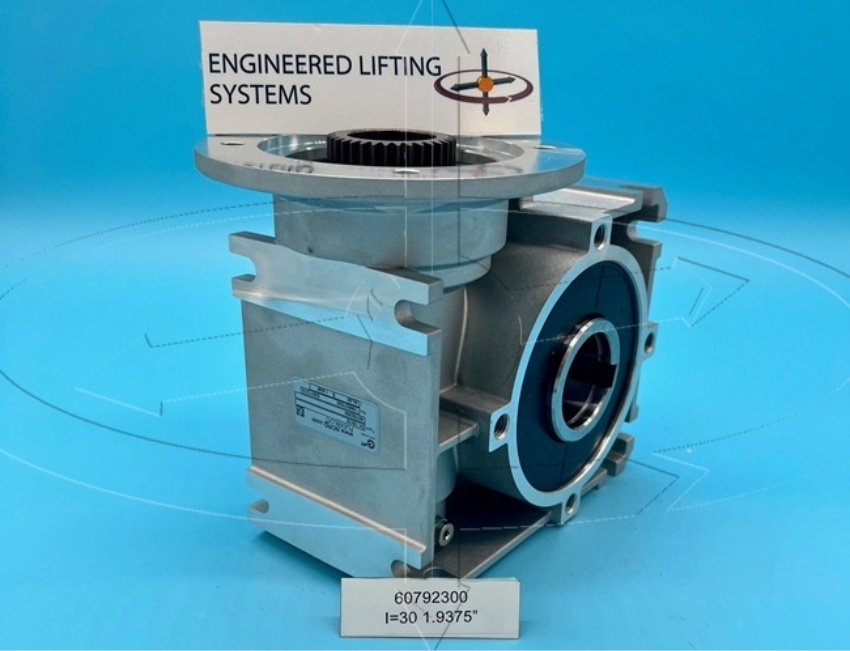
NORD FLEXBLOC worm gear units turn motor speed into usable torque for compact drive applications. They support controlled motion in conveyors, electric hoists, lifting equipment, and other material handling systems while fitting the layout already in place.
Finding the correct product family helps narrow the replacement search. The installed configuration still determines which unit fits the drive setup and works as intended when the equipment returns to service.
NORD FLEXBLOC units in Maryland often support equipment that depends on compact speed reduction and controlled movement, including:
- Conveyor systems that move materials steadily between production areas
- Lifting equipment that requires both compact fit and controlled motion
- Machinery used for packaging where repeatable speed reduction must fit inside a confined layout
- Logistics systems built to move products from one workstation to another
- Machinery that requires a compact worm gear unit to work within its established layout
A Flexbloc replacement has to fit the broader drive arrangement used by the equipment. The selection should reflect its movement requirements and operating demands as well as the physical space available for the unit.
What does a worm gear unit do?
Worm gears pair a screw-like worm with a gear wheel to reduce speed and transfer torque within a compact space. The arrangement also changes the direction of motion, making it useful for equipment that requires controlled movement from a compact drive setup.
Why the Drive Setup Matters for NORD Flexbloc Replacement
NORD replacement parts must match the drive configuration already operating in the equipment. Identifying the Flexbloc product family narrows the search, but the installed setup determines which unit fits and runs correctly.
Details used to match a NORD Flexbloc replacement in Maryland include:
- Reduction ratio: The gear ratio determines how motor speed is reduced and how torque reaches the equipment. A mismatch can alter machine speed or timing after the replacement enters service.
- Shaft or bore style: The unit has to match the connection used by the current drive setup. Bore type and shaft configuration determine whether the replacement interfaces cleanly with the installed components.
- Mounting setup: The replacement should fit the established machine layout without requiring unnecessary field changes. Its foot, flange, and mounting-position details all affect how the unit fits equipment built around a specific reducer configuration.
- Motor connection: The replacement has to connect with the motor arrangement already in service, which may include a C-Face motor or NORD brakemotor already in place. Missing that detail can slow down installation after the part arrives.
- Service demands: The unit also has to support the duty cycle, service conditions, and equipment demands around it. A replacement that fits physically still has to support the way the machine actually runs.
The existing drive arrangement should guide Flexbloc replacement work. A suitable unit has to match the machine physically while supporting its operating requirements after installation.
When NORD Flexbloc Gear Unit Problems Appear
NORD Flexbloc gear unit problems in Maryland may develop before the equipment stops completely. The unit might remain in service while excess heat, lubricant leakage, or changes caused by internal wear become more noticeable.
Common warning signs include:
New noise or vibration during operation
Noise or vibration that appears during operation may indicate misalignment, internal wear, bearing problems, or another problem affecting how cleanly the drive operates.
- Grinding or knocking near the gear unit
- Vibration that changes with the operating load
- Changes in motion during normal equipment use
Noise and vibration may continue to worsen even when the source is not obvious from outside the unit.
Leaks from the Flexbloc housing
Oil near the housing may come from a worn seal or damaged gasket. Excess lubricant, rising heat, or internal pressure may also need review before a replacement is selected.
A gear unit may continue operating after a leak appears, even as lubricant loss increases contamination risk and the remaining service time before the leak becomes harder to contain.
Excess heat from the gear unit
Heat is expected during normal gear unit operation. The concern starts when temperature changes from the unit’s normal pattern or shows up with other symptoms.
- Operating temperature rises above the unit’s usual level
- Heat rises faster or stays longer under heavier load
- Heat appears with noise, vibration, leakage, or changing motion
When heat unexpectedly changes, the replacement path should account for how the equipment runs, what load it carries, and what else may be stressing the drive setup.
Loss of torque or inconsistent movement
The equipment may slow down, hesitate, lose torque, or stop moving consistently under load. These issues can show up in conveyors, hoists, transfer systems, and production machinery before the unit fully fails.
Restoring consistent motion depends on a replacement that matches the complete drive arrangement. The unit has to preserve equipment speed and torque while connecting properly to the components already in place.
A Flexbloc unit showing operational problems does not always need to be replaced in isolation. The next step may involve the same unit configuration, another drive component, or a closer review of the complete NORD system.
Finding the Right NORD Flexbloc Replacement Parts in Maryland
A replacement decision should account for both the Flexbloc unit and the equipment built around it. Depending on the failure, the appropriate path may involve direct replacement or repair, while other problems require review of a related NORD component or the complete drive system.
Starting Information for Replacement Review
The more complete the starting information is, the easier it becomes to rule out mismatched parts and avoid delays during replacement sourcing.
- Clear images of the installed Flexbloc, including its nameplate and nearby drive components
- The unit’s gear ratio plus any model or serial information shown on the nameplate
- How the unit mounts, which shaft or bore style it uses, and the space surrounding it
- Information about the motor connection as well as other components tied to the drive
- Current symptoms and equipment load along with the replacement history and required timing
Finding NORD Flexbloc Dealer Support in Maryland
As a NORD dealer, ELS supports NORD Flexbloc sourcing and reviews the surrounding drive components to determine whether the application needs a new unit, NORD gearbox repair, or another drive-system solution.
Sourcing by part number alone may miss changes made during the equipment’s service life. That risk increases when tags are unreadable or the application cannot tolerate a long outage.
ELS reviews NORD replacement needs within the complete drive arrangement. The Flexbloc unit has to work with the installed motor and reducer as well as the equipment they operate.
Common Uses for NORD Flexbloc Gear Units
Compact fit makes NORD Flexbloc gear units useful across Maryland equipment where space is limited and movement has to remain controlled. What the drive must move within the machine guides the application match.
Common Flexbloc use cases include:
“One drive issue is interrupting the conveyor line.”
Conveyors, transfer systems, sortation equipment, and warehouse lines rely on steady speed reduction and torque transfer. A Flexbloc unit may be used where the reducer has to fit the existing conveyor layout without forcing unnecessary machine changes.
- Production conveyors that move parts steadily from one process step to another
- Warehouse and distribution lines that depend on many drive assemblies working together
- Transfer systems where one reducer problem can interrupt movement through the line
“We need controlled movement from the lifting drive.”
Compact drives used in lifting equipment and overhead crane applications need drive components that support movement under load. Replacement work has to account for torque needs, braking requirements along with how the unit mounts and connects within the drive system.
“The machine layout leaves little room for drive changes.”
Space constraints shape the drive setup in many packaging and production applications. The new unit has to match the established fit and drive connections so the line continues moving correctly.
“The updated system needs a drive that works with the new setup.”
Upgraded equipment may need different performance from the drive setup that supported the original machine. Changes such as conveyor additions or overhead crane automation can affect reducer and motor requirements.
The original Flexbloc category provides useful identification, but it may not account for later equipment changes. Replacement work should consider how the system was expanded or reconfigured during service.
“The equipment runs longer in a harsher environment.”
Food, grain, bulk material, and industrial handling equipment can place extra pressure on reducers through heavier loads, longer runtimes, contamination risk, washdown needs, or inconsistent operating conditions. Those application conditions remain part of the replacement decision even when the unit itself fits physically.
A Flexbloc unit supports a larger equipment arrangement in each of these applications. If the unit requires replacement, the process has to address related drive components and installed details without losing sight of the machine’s production demands.
Reducing Downtime When a NORD Flexbloc Unit in Maryland Needs Attention
A reducer may continue operating even as warning signs develop. When heat or leakage becomes more noticeable and repeated service issues keep returning, the Flexbloc unit should be reviewed before it affects the surrounding equipment.
- Look for symptoms that are getting worse: Maintenance teams may have time to respond when symptoms are identified early. Leakage and vibration or changes in heat and motion can signal a problem before the unit fully fails.
- Review the complete drive arrangement: The complete drive setup should be reviewed before the problem is isolated to one unit. Connected components and operating demands may affect how the reducer performs.
- Review replacement options early: Confirming replacement options before the equipment is down can reduce delays when the unit has to be repaired or replaced. The added planning time also makes it easier to review a direct Flexbloc replacement alongside other NORD components.
- Investigate the pattern behind repeat failures: Repeated failure of the same Flexbloc unit may point to a problem outside the reducer itself. The failure pattern may trace back to equipment changes, operating load, mounting position, or another condition affecting the drive.
Early preventive maintenance cannot account for every unexpected failure, but it may limit avoidable downtime by bringing developing issues to attention earlier.
Parts Used in NORD Flexbloc Replacement Work
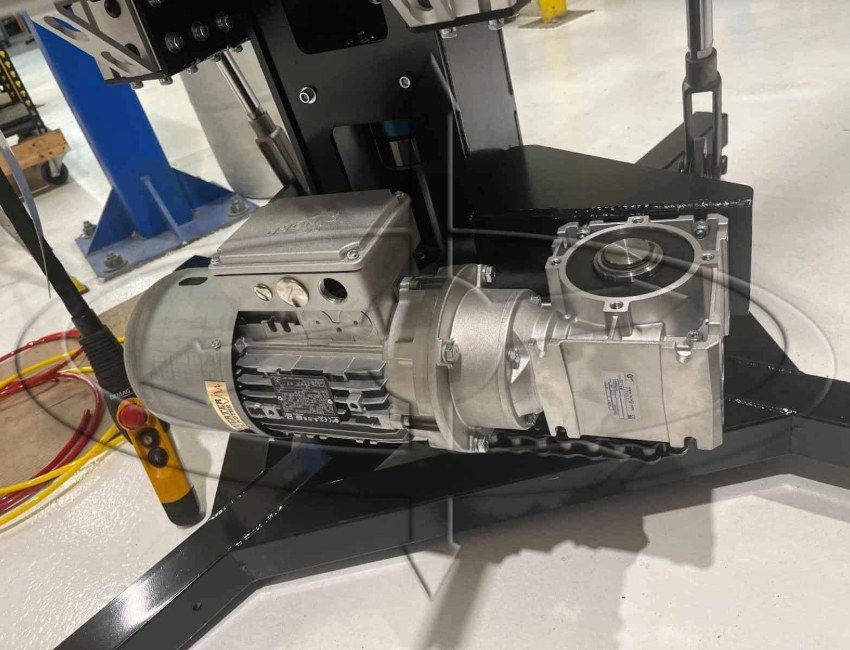
Some NORD Flexbloc replacement requests in Maryland involve other parts of the drive setup. Replacement options may include the full gearmotor assembly or an individual gear unit. The review should also account for braking components, the motor connection, and any accessories required by the installed layout.
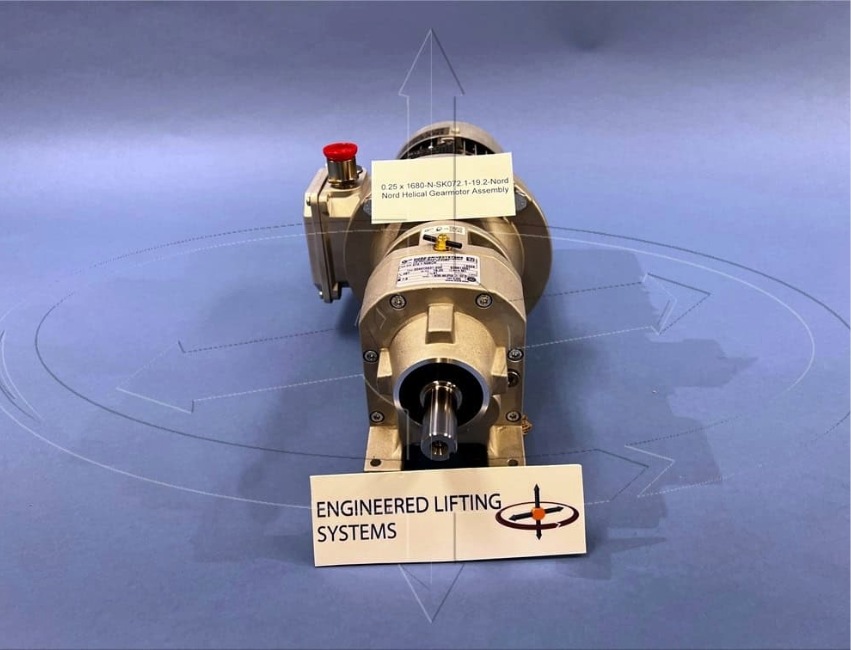
NORD SK072.1-19.2 Helical Gearmotor Assembly
Full NORD gearmotor assemblies
The complete assembly may provide the cleaner replacement path when the motor connection and reducer configuration depend on one another. A single-component replacement may not connect or perform correctly without matching the original assembly details.
NORD Flexbloc reducer replacements
A direct Flexbloc replacement may work when the installed unit is identifiable and the equipment configuration has not changed. The new reducer still has to match the ratio, mounting arrangement, and shaft or bore connection.
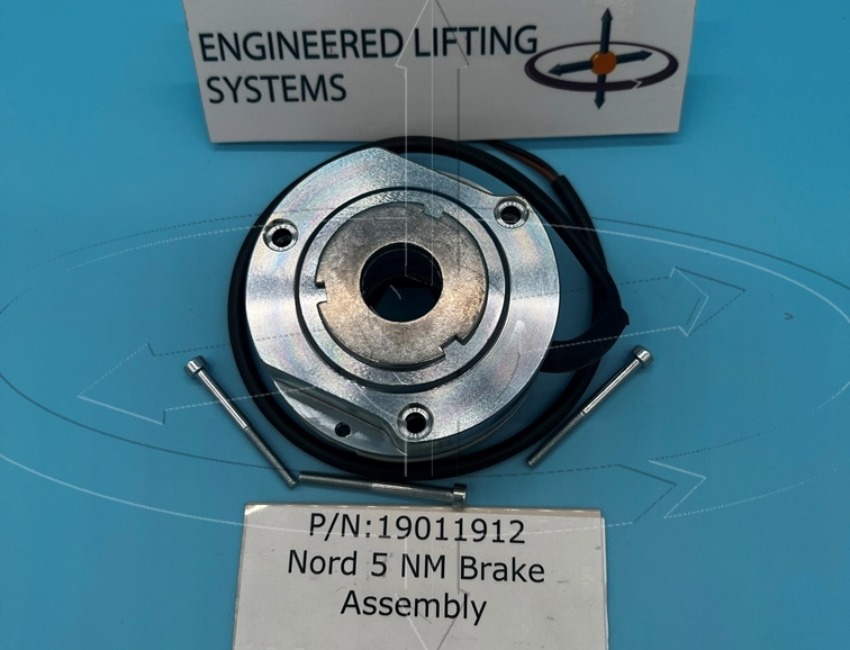
NORD 19011912 5 NM Complete Brake Assembly
Braking parts and complete assemblies
Brake components should be considered when the Flexbloc unit is tied to lifting, holding, stopping, or controlled-motion equipment. The replacement has to preserve how the drive stops or holds the equipment during loaded operation.
Motor, brakemotor, and input details
A replacement reducer may not connect correctly if the motor-input setup is overlooked. C-Face connections and brakemotor requirements may change which NORD parts belong in the replacement setup. Electrical and mounting details also need to align.
Shaft and bore connection accessories
Output connection and mounting requirements help determine which accessories belong with the replacement. The correct shaft, bore, or mounting kit supports a cleaner fit within the existing layout.
The right replacement decision connects the NORD component to the equipment it has to support. Confirming that match before ordering reduces the risk of selecting a part that fits the category but not the machine.
NORD Flexbloc Replacement FAQs
NORD Flexbloc questions related to sourcing, equipment fit, and replacement work.
How do you know when to replace a NORD Flexbloc unit in Maryland?
Replacement should be considered when the Flexbloc unit begins running differently than it normally does. The unit may still run, but those changes often point to wear or stress inside the drive setup.
Common Flexbloc warning signs include:
- Changes in sound or movement around the reducer
- Oil collecting around the Flexbloc housing or seals
- Unusual heat compared with the unit’s normal operating pattern
- Starts, stops, or loaded movement that no longer remain consistent
Should the reducer be replaced separately from the NORD gearmotor?
The condition of the unit and its connection to the surrounding drive help determine what should be replaced. Replacing only the reducer may work when the motor and brake remain suitable for the application and the existing drive connections still match.
Replacing the full gearmotor may provide a cleaner match when the motor and reducer were selected to operate together. Replacing the complete gearmotor may avoid fit and operating problems when several connected parts need attention.
What happens if a NORD Flexbloc replacement in Maryland is no longer available?
When the original Flexbloc unit is unavailable or obsolete, the installed configuration should be reviewed against current NORD options. Equipment fit and performance matter more than finding a current unit with a similar identifier.
Possible replacement paths include:
- Updated NORD part identification
- A compatible NORD replacement setup
- Other NORD parts within the same drive arrangement
- A repair option when one replacement part will not resolve the issue
Does equipment age affect NORD Flexbloc replacement?
Replacement work becomes more application-specific when the Flexbloc unit belongs to an older machine. Past repairs and machine modifications may have changed the connections or space available for the unit.
Before a replacement is selected, the installed Flexbloc should be reviewed within the older machine setup. Its connections and workload may reveal requirements that the original part number does not.
Which NORD components may be needed with a Flexbloc replacement?
A direct Flexbloc replacement may depend on other parts within the drive system. Related parts may be needed to connect the Flexbloc unit with the motor and equipment already in place.
Related NORD components may include motors and brakemotors as well as complete gearmotor assemblies. Depending on the setup, the replacement may also require shaft kits or mounting accessories.
Will a different Flexbloc configuration change equipment movement?
Equipment performance may change when a NORD Flexbloc replacement does not match the installed drive configuration. A similar product name does not confirm that the unit will fit or produce the same movement. Differences in ratio and connection details may change equipment operation.
Important replacement details include:
- A replacement ratio that changes machine movement
- Mounting differences that change how the unit fits the machine
- A mismatch between the replacement output and installed components
- Changes in the motor setup that affect lifting, holding, or movement
- A unit that fits physically but does not support the application load
The machine’s current drive requirements should guide the replacement match. The reducer may fit the category without supporting the speed or torque required by the machine.
Contact ELS for NORD Flexbloc Support in Maryland
NORD Flexbloc units support drive applications that depend on compact fit and consistent equipment movement. When replacement becomes necessary, the reducer should be matched within the context of the equipment it supports.
Engineered Lifting Systems matches NORD Flexbloc parts to the equipment rather than relying only on the product family. The review may also include connected gear units or other NORD components. Through its work as a NORD distributor, ELS helps identify the required part or assembly while there is still time to plan around production.
ELS supports NORD Flexbloc replacement by helping you:
- Start with the installed equipment: Review the current unit’s markings and available equipment information before selecting a replacement.
- Match the application: Compare the replacement with the equipment’s operating requirements and physical drive configuration.
- Review connected NORD components: Include connected NORD parts when they determine how the replacement fits and performs in the equipment.
- Plan before the unit fails: Use early warning signs to begin replacement planning before the situation becomes an urgent shutdown.
ELS also supports the following related areas:
Call ELS at 866-756-1200 or reach out online to discuss NORD Flexbloc parts and drive-system issues in Maryland.