
NORD Distributor in Boise, ID
A NORD Distributor in Boise, ID, supplies industrial drive technology such as gear units, gearmotors, and reducers used to power conveyors, lifting systems, and production equipment across manufacturing and material handling environments.
Engineered Lifting Systems helps industrial facilities identify and source compatible drive components for existing systems, new equipment installations, expansions, and replacements.
When replacing a gearbox, pairing a gearmotor with an existing conveyor, or sourcing drive components for new equipment, working with a trusted Boise, ID, NORD distributor helps prevent compatibility issues that influence torque output, speed control, and long-term equipment performance. Contact us online or call 866-756-1200 to discuss your application with our team.
Learn More About
- What our Boise, ID, NORD distributors actually do when sourcing industrial drive components
- Where NORD drive components appear across industrial systems
- How motors, gear units, and inverters work together inside drive systems
- Industrial equipment powered by NORD drive assemblies
- How facilities identify and source NORD components for repairs and upgrades
- Industries that rely on NORD drive systems in daily operations
- Common NORD replacement parts used in industrial equipment
- Why facilities work with ELS
Who This Page Is For
Keeping industrial systems operating reliably depends on using the correct components and maintenance processes. This includes how equipment is maintained, repaired, upgraded, or expanded as production demands evolve.
Companies operating equipment powered by NORD Drivesystems know the importance of keeping drive components properly matched and having experienced support available when equipment needs attention.
- Reviewing existing equipment data and confirming part numbers before replacement components are sourced
- Ensuring existing systems are properly matched with compatible gearmotors, reducers, and drive components
- Identifying the correct NORD replacement components when systems break down
- Limiting compatibility issues that can disrupt torque transmission, speed control, or system performance
- Maintaining uptime across conveyors, lifting equipment, and production systems
Whether replacing failed components, confirming compatibility, or planning equipment upgrades, facilities rely on the right Boise, ID, NORD distributor to supply components that keep systems operating reliably.
What a NORD Distributor in Boise, ID, Does
NORD distributors support industrial facilities by connecting them with the drive components that keep production systems operating. Rather than sourcing gear units, gearmotors, reducers, and motors independently, facilities work with distributors to identify compatible components and source them efficiently.
Confirming Correct Component Specifications
Most industrial drive components must match precise equipment specifications. Distributors assist by confirming part numbers, gear ratios, mounting styles, motor compatibility, and other critical details before replacement components are ordered.
Locating Replacement Drive Equipment
When gear units or drive components fail, production equipment can stop immediately. Distributors help locate and supply replacement gearmotors, reducers, and motors so systems can return to operation quickly.
Identifying Components for Equipment Upgrades
When facilities expand systems or upgrade conveyors and automation equipment, drive components may need to change. Distributors help identify components that meet torque, speed, mounting configuration, and performance requirements.
Ultimately, distributors help facilities confirm compatible replacement components without unnecessary delays or sourcing mistakes.
Industrial Systems That Use NORD Drive Components
Across industrial facilities, NORD drive components support equipment that depends on controlled motion and reliable torque transmission. Gear units, gearmotors, and reducers convert motor output into the movement required to run conveyors, lift materials, and keep automated systems operating.
In industrial environments, distributors commonly support NORD components used in the following types of equipment:
Production Conveyor Systems
Production conveyors depend on gearmotors and reducers to move materials through manufacturing and packaging operations. Properly matched drive components help maintain stable speeds during continuous production runs.
- Assembly conveyors used in manufacturing facilities
- Sorting conveyors in distribution and fulfillment centers
- Conveyor lines supporting packaging and palletizing operations
Material Transfer Equipment
Material handling equipment relies on drive components to lift, move, and position loads throughout warehouses and production facilities.
- Warehouse AS/RS material handling systems
- Automated pallet transfer systems
- Positioning platforms used in warehouse and production environments
Industrial Automation Systems
Automated manufacturing equipment relies on compatible drive components to maintain synchronized motion across multiple systems.
- Industrial packaging machinery and filling equipment
- Automated robotic production cells and transfer equipment
- High-speed material routing systems used in production
Material Lifting and Positioning Systems
Industrial lifting systems often rely on drive components paired with overhead cranes to provide controlled motion and torque transfer.
- Bridge crane travel drives
- Industrial hoisting systems used for lifting loads
- Mechanical equipment used to position industrial loads
Reliable operation is critical in these environments. Facilities commonly work with a NORD distributor in Boise, ID, to identify compatible replacement components and keep production equipment operating.
Core Components Used in NORD Drive Systems
A drive system in industrial equipment is made up of components that convert electric motor rotation into usable mechanical motion.
NORD drive systems integrate motors, gear units, and control electronics to provide the torque, speed control, and motion needed by conveyors, lifting equipment, and automated production systems.
Electric Motors
Electric motors produce the rotational force that powers industrial machinery. Within most drive systems, the motor supplies the initial rotational input that gear units and inverters modify to control torque and speed.
Choosing the right motor influences how the drive system performs when operating under load. Typical considerations include:
- Horsepower – determines the amount of mechanical output the motor can deliver.
- Voltage requirements – must match the facility’s electrical supply and control equipment.
- Duty cycle – indicates whether the motor runs continuously or intermittently.
- Environmental conditions – factors such as heat, moisture, or dust that affect motor design and longevity.
In industrial drive systems, motors frequently operate alongside gear units or as part of gearmotor assemblies to deliver controlled torque and speed.
Gear Units (Industrial Gearboxes)
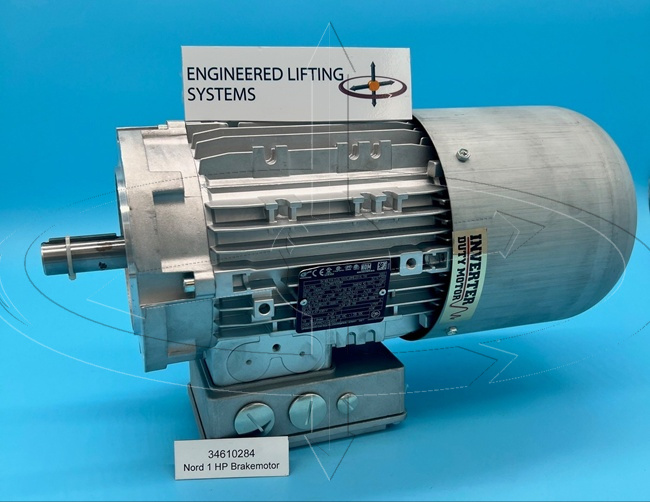
Gear units — frequently referred to as industrial gearboxes — convert fast motor rotation into slower, high-torque output that industrial equipment can use effectively. They sit at the center of many drive systems, enabling conveyors, lifting systems, automated production lines, and other machinery to move heavy loads in a controlled way.
Gear units must align with several important configuration factors in order to operate correctly within a drive system:
- Gear ratio determines how much speed reduction and torque multiplication occurs.
- Mounting configuration affects how the gearbox integrates with existing equipment.
- Shaft orientation and output design must match the surrounding drive system.
- Motor compatibility ensures the gearbox and motor operate as a matched assembly.
Gear units sit between the motor and the driven equipment, meaning their specifications influence torque delivery, operating speed, and overall system performance.

Industrial Gearmotors
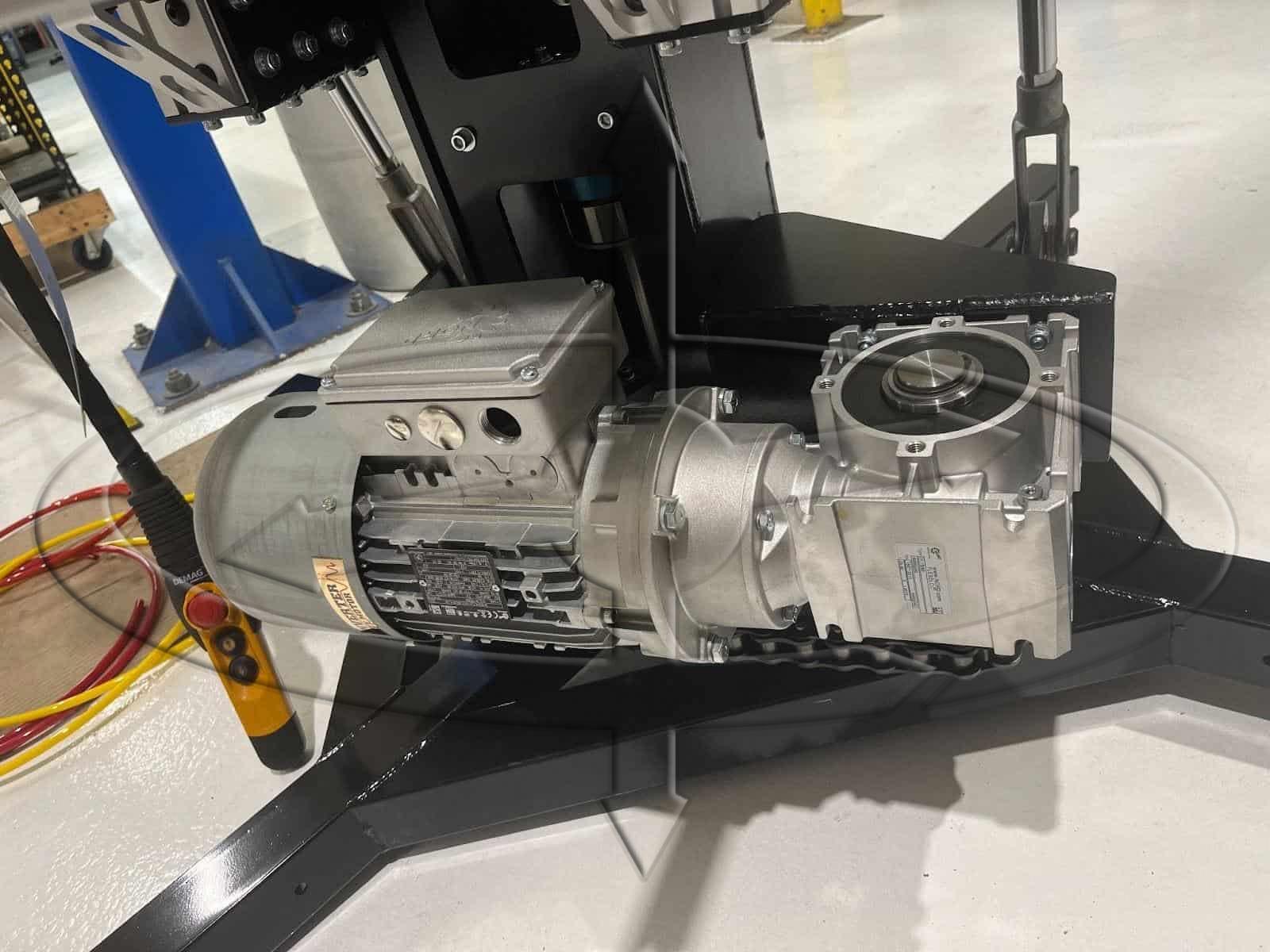
An industrial gearmotor brings together an electric motor and gearbox within a single assembly. The motor generates rotational force while the gearbox adjusts speed and torque so machinery can move loads at controlled speeds.
Because the motor and gearbox are integrated into one engineered assembly, gearmotors eliminate the need to align separate components during installation. This compact configuration simplifies drive system design.
- Material handling: Conveyor systems, sortation equipment, and automated warehouse lines.
- Packaging and production lines: Equipment that moves products through filling, sealing, labeling, and palletizing processes.
- Cranes and hoists: Drive systems that support controlled lifting and positioning in material handling environments.
- Process equipment: Mixers, agitators, pumps, and other machinery that operate continuously under load.
Frequency Inverters
Motor speed and torque can be controlled by frequency inverters that adjust the electrical frequency delivered to the motor. This capability allows equipment to start gradually, change speed while running, and stop without sudden mechanical shock.
Industrial environments often depend on variable speed control. Inverter-driven systems help conveyor lines, lifting equipment, and automated production equipment maintain consistent movement and coordinated operation.
When integrated with electric motors and gear units, frequency inverters allow drive systems to adjust to shifting loads and operating demands while maintaining stable performance.
Equipment Powered by NORD Drive Systems
Industrial equipment often relies on NORD drive components where precise motion, torque transmission, and consistent operating speed are required. Whether powering automated conveyor lines or lifting systems moving heavy loads, these drive assemblies help equipment operate smoothly over extended production cycles.
You will most often see NORD drive systems installed in material handling equipment, automated production lines, and lifting systems where machinery must move loads reliably, maintain consistent speeds, and operate throughout extended production shifts.
Material Handling Equipment
Material handling systems move, store, and position loads throughout industrial facilities. These systems connect production areas, storage zones, and shipping operations so materials flow efficiently across manufacturing plants and distribution environments.
Conveyor Systems
Conveyors provide continuous transport between workstations, packaging stations, and storage areas, moving products through assembly lines and warehouse sortation systems.
- Packaging and palletizing conveyors
- Warehouse sortation conveyors
- Assembly line transport conveyors
- Distribution center conveyor networks
Facilities also rely on additional material handling systems to move loads between zones or operate automated storage and retrieval systems.
- Automated storage and retrieval systems (AS/RS)
- Pallet transfer and accumulation systems
- Industrial lift tables and load positioning equipment
- Warehouse shuttle and retrieval systems
Automated Manufacturing and Packaging Lines
In automated production lines, multiple machines operate in sequence. Drive components help coordinate product movement between conveyors, feeders, robotic systems, and processing stations so materials flow through each stage of production.
- Packaging and filling equipment
- Robotic work cells and automated transfer equipment
- High-speed product sorting and routing equipment
- Inline inspection, labeling, and sealing systems
In automated production environments, small speed differences between machines can interrupt production flow. Drive components help maintain consistent throughput so upstream and downstream equipment remain coordinated.
Compared with conveyors or automated production lines, lifting and hoisting systems operate under different mechanical demands. They raise suspended loads, control vertical movement, and handle repeated start-stop cycles while maintaining accurate positioning.
- Top running bridge crane systems installed in manufacturing plants and fabrication facilities
- Underhung crane systems commonly used in lighter-duty or space-restricted applications
- Hoists and winches used for lifting, lowering, and positioning materials
- Industrial lifting platforms and load transfer equipment used across production environments
Unlike conveyors or horizontal transport systems, lifting equipment must overcome gravity while supporting suspended loads. Drive components must deliver high starting torque, controlled acceleration, and reliable braking to safely lift, position, and hold loads during repeated lifting cycles.
Industrial systems operate reliably when drive components are properly matched to deliver the torque, speed control, and motion required by conveyors, automated production lines, lifting equipment, and other machinery. Working with a knowledgeable Boise, ID, NORD distributor helps facilities confirm compatible components, replace worn assemblies, and maintain consistent system performance.
How Facilities Source NORD Components
Industrial teams source NORD components through maintenance planning, equipment upgrades, and unplanned replacement needs. When drive components such as motors, gear units, or gearmotors fail — or when equipment like a NORD gearbox must be replaced — the correct configuration must be identified before ordering a replacement.
In most cases, the sourcing process involves:
- Reviewing part numbers and existing equipment specifications
- Confirming mechanical configuration and compatibility
- Locating suppliers that stock or specialize in NORD drive components
Once the specifications are verified, teams can order compatible replacement components and bring equipment back online.
Working alongside a NORD distributor in Boise, ID, helps maintenance teams verify compatible components and avoid specification issues that may affect installation or system performance.
When facilities source NORD components, distributors can assist with:
- Identifying drive assemblies from equipment tags or part numbers
- Confirming gear ratios, mounting configurations, and motor compatibility
- Locating replacement units or compatible alternatives
- Supporting upgrades or modifications to existing equipment
Situations Where a NORD Distributor in Boise, ID, Helps
In most facilities, sourcing discussions rarely begin with a part number. They typically start with a problem, a system change, or equipment that needs attention.
“We’re adding another conveyor line.”
New conveyors require drive components that match the torque, speed, and duty cycle of the system. A NORD distributor helps identify gearmotors and reducers suited for the application.
“Our crane drive is wearing out.”
Lifting systems require precise torque control and dependable braking. Our team helps identify compatible gear units and drive components designed for repeated lifting cycles.
“This gearbox keeps failing.”
When a gearbox continues to fail, the cause is often incorrect ratios, mounting issues, or incompatible components. We help confirm the specifications and identify suitable replacements.
“We bought used equipment and don’t know what’s installed.”
Legacy drive components are common in older production lines and used machinery. We’ll help identify the installed equipment and locate compatible replacements.
“We’re upgrading a production line.”
Automation upgrades and equipment expansions frequently require updated drive configurations.
Industrial systems rarely operate with a single drive component alone. Conveyor systems, automated production equipment, lifting machinery, and material handling systems rely on matched motors, gear units, gearmotors, and control electronics working together. Our Boise, ID, NORD distributors help facilities identify compatible components and keep equipment operating reliably when repairs, upgrades, or replacements are required.
Industries That Use NORD Drive Systems
Across many industrial environments, NORD drive components power equipment that moves materials, drives machinery, and supports automated production systems. From warehouse conveyor networks to food processing lines and lifting equipment, these assemblies help keep operations running reliably.
Examples of industries using NORD gear units, motors, and drive components include:
Intralogistics & Distribution
- High-volume parcel sorting systems at logistics centers (e.g., FedEx, UPS, Amazon hubs)
- Automated baggage transport conveyors in major airports
- Automated storage and retrieval systems (AS/RS) in large-scale warehouses
Food & Beverage Processing
- Automated bakery production systems with dough mixers and conveyor ovens
- Industrial dairy processing systems including milk pasteurization
- Fruit and vegetable sorting, washing, and packaging lines
- Bottling and capping systems for beverage production
Packaging & Automation
- Robotic palletizing systems used in high-speed packaging lines
- Automated labeling machines for consumer goods
- Industrial case packing and carton sealing systems used in manufacturing
Bulk Material Handling
- Industrial conveyors used in mining and quarry operations
- Stockyard transport systems for coal, aggregates, and raw materials
- Automated material dosing and weighing systems in industrial facilities
Agriculture & Farming
- Grain handling elevators and feed processing facilities
- Automated irrigation pumps and water distribution systems
- Automated harvesting equipment for fruits and vegetables
Heavy Machinery & Lifting
- Overhead cranes and hoists used in shipyards, steel mills, and manufacturing centers
- Vehicle assembly line car lifts used in automotive plants
- Lifting systems in construction and logistics facilities
Steel & Metal Processing
- Industrial rolling mills and metal forming equipment
- CNC machining centers and precision cutting equipment
- Industrial presses and forging equipment
Across these environments, drive components must match the torque, speed, and operating requirements of the systems they power. Properly configured motors, gear units, and gearmotors help maintain reliable motion control across conveyors, production machinery, and lifting systems.
Common NORD Drive Components and Replacement Parts
NORD drive systems depend on a variety of mechanical and electrical components that support motion control, torque transmission, and equipment safety. Maintenance teams and engineers regularly source replacement parts during routine maintenance, system upgrades, or equipment repairs.
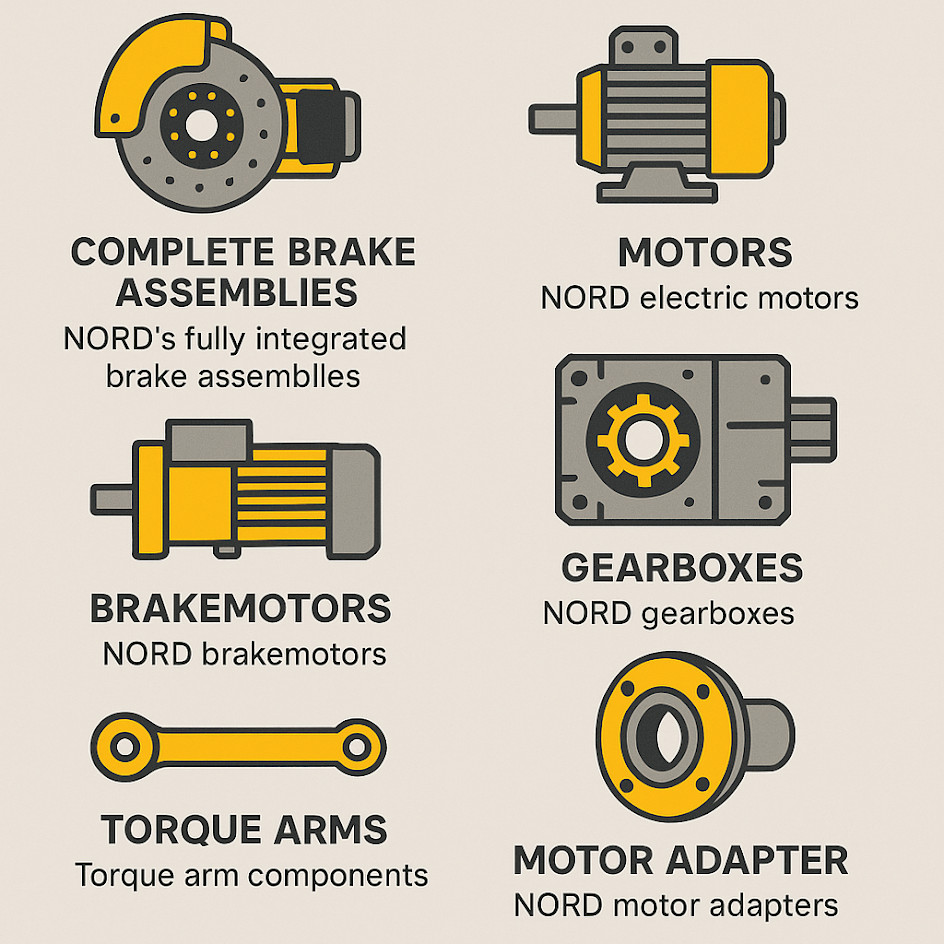
Common categories of NORD components used in industrial drive systems include:
- Complete Brake Assemblies: NORD’s fully integrated brake assemblies provide reliable stopping power for lifting equipment, material handling systems, and heavy machinery operating under demanding conditions. These assemblies support safe operation in environments that comply with Occupational Safety and Health Administration (OSHA) inspection requirements.
- Motors: NORD electric motors supply the rotational power needed by conveyors, production machinery, and material handling equipment across manufacturing, logistics, and processing environments that follow American Society of Mechanical Engineers (ASME) standards.
- Brakemotors: Integrating a motor and brake system within one assembly, NORD brakemotors provide high starting torque and controlled braking for equipment that must start, stop, and hold loads reliably.
- Gearboxes: NORD gearboxes reduce motor speed to produce usable torque for conveyors, automated equipment, and other industrial machinery.
- Torque Arms: Torque arm components maintain proper gearbox positioning in high-torque drive systems.
- Shaft Covers: NORD shaft covers protect internal components from dust, debris, and other contaminants that can affect long-term performance.
- Motor Adapters: NORD motor adapters align motors with gearboxes to maintain efficient power transmission within drive systems. These adapters also support worm drive gear motors used in the Flexbloc line.
These components help keep conveyor systems, automated production equipment, and lifting machinery operating through routine service, repairs, and long-term maintenance across industrial facilities.
Frequently Asked Questions | Boise, ID, NORD Distributor Support
Common questions from maintenance teams, engineers, and procurement departments sourcing NORD drive components for industrial equipment.
What does a NORD distributor do?
A NORD distributor helps facilities identify, source, and confirm compatible drive components used in industrial equipment. These components often include gear units, gearmotors, motors, and related assemblies that must match the existing mechanical and electrical configuration of the system.
How do I identify the correct replacement through ELS?
Identifying the correct replacement usually begins with information already available on the equipment. Those details allow distributors to verify the correct configuration before replacement components are ordered.
- Part numbers or gearbox tags
- Motor nameplate information
- Mounting style and shaft orientation
- Photos of the installed assembly
- Basic notes about how the equipment is used
Can a NORD distributor help if the exact part number is missing?
Many older or rebuilt systems no longer have clear part numbers available. In those situations, distributors usually work backward from gearbox tags, motor data, mounting details, and application requirements to identify compatible replacements.
What information does a NORD distributor in Boise, ID, need before sourcing components?
The more detail a facility can provide, the easier it is to confirm compatibility. Typical information needed includes:
- Existing part numbers or assembly tags
- Motor voltage and horsepower
- Gear ratio or output speed requirements
- Mounting configuration
- Photos of the installed equipment
- A short description of the application or operating issue
When should a facility work with distributors instead of ordering parts online?
Online ordering works best when the replacement is fully confirmed and the equipment has not been modified. Facilities often turn to distributors when specifications are unclear, legacy equipment is involved, or replacements may affect torque, speed, mounting, or system operation.
Can a distributor help with equipment upgrades or expansions?
Expansion projects and system upgrades usually require more than matching an existing component. We can help identify drive components that match updated torque, speed, duty cycle, and mounting requirements when conveyors, lifting systems, or automated equipment are modified.
Can distributors support older or legacy equipment?
Legacy systems can create sourcing issues when assemblies have been rebuilt or modified over time. Distributors help confirm what is installed and identify compatible replacement options.
What kinds of applications usually require NORD distributor support?
Facilities often rely on distributor support where drive components operate under heavy loads or long operating cycles. Examples include:
- Conveyor and sortation systems
- Material handling and storage equipment
- Automated production and packaging lines
- Lifting and hoisting systems
- Process equipment that runs continuously
Can Boise, ID, NORD distributors help reduce downtime?
Downtime often increases when teams must guess at configurations or order incorrect parts. Distributor support helps facilities confirm specifications early and identify components that fit the system properly the first time.
Why Work With ELS as Your NORD Distributor in Boise, ID?
Industrial facilities depend on drive components that match the mechanical and electrical requirements of their equipment. Working with a NORD distributor helps ensure compatible gear units, motors, gearmotors, and drive assemblies are identified and sourced when replacements are required.
The Engineered Lifting Systems team has more than 20 years of experience supporting industrial lifting equipment, drive systems, and motion-related components used across manufacturing and production environments.
NORD Advantages
NORD drive components are widely used across industrial systems where equipment must operate under demanding conditions while maintaining reliable performance.
- Application-specific brake solutions: Configured to meet stopping and holding requirements across different industrial applications.
- Low-noise operation: Built for industrial systems where low-noise operation is beneficial.
- High overload capacity: Engineered to support demanding operating conditions and repeated load cycles.
- Lightweight design options: Aluminum gear housings provide lighter system configurations for certain equipment designs.
- Output shafts for high-capacity loads: Built to manage higher-capacity load demands in industrial equipment.
As a result, NORD components are commonly selected for conveyor systems, lifting equipment, automated production lines, and material handling systems where reliable motion control is important.
Additional Equipment and Services
In addition to supporting NORD drive components and Flexbloc, the Engineered Lifting Systems team provides equipment and services used in industrial lifting and motion systems, including:
If you need help identifying compatible components, confirming specifications, or sourcing replacement assemblies, call 866-756-1200 or contact our team to speak with a Boise, ID, NORD distributor about your equipment and application.