
Magnetek Series 3 Drives Using “Motor 2” Option
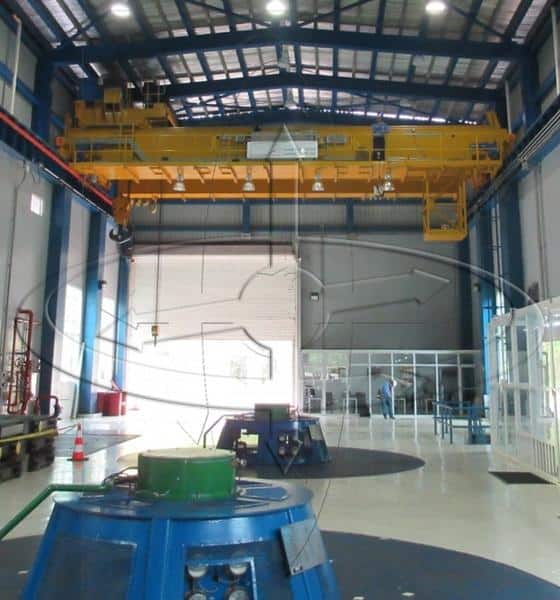
Magnetek Series 3 Drives Using “Motor 2” Option In the summer of 2018, Engineered Li …
Crane Cab Replacement Improves Function
Tapered Wheels for Top Running Cranes

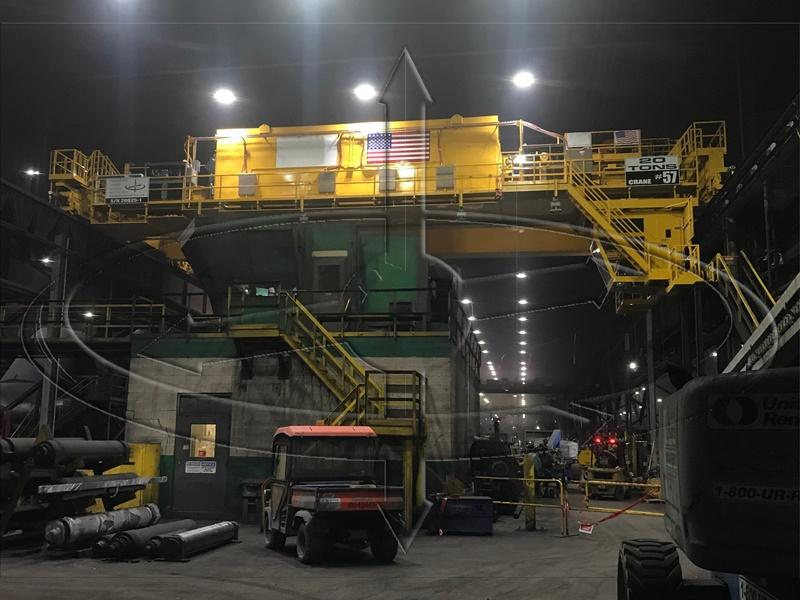
20-ton Class F Crane
Posted by Eric Brown
20-ton Class F Crane 20-ton capacity CMAA Class F overhead crane used in a steel mill. Cab control, Full MCC with Magnetek Controls, Ace World trolley/hoist unit. Designed for 24/7 […]
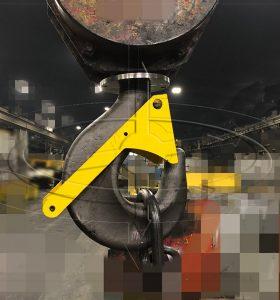
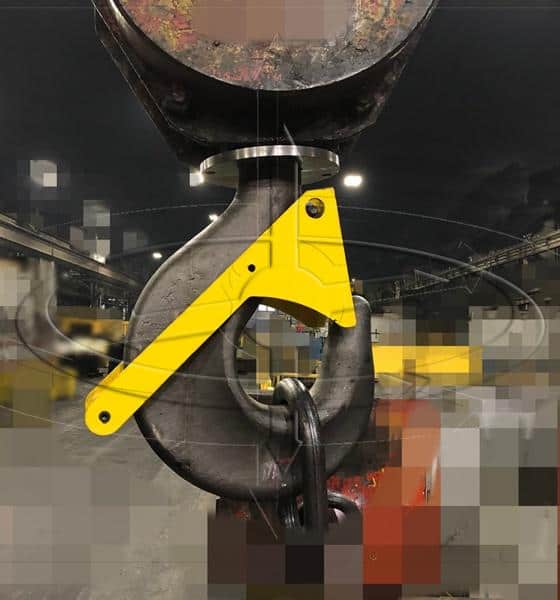
Gravity Latch with Rotation Lock
Posted by Eric Brown
Gravity Latch with Rotation Lock Engineered Lifting Systems applied one of our gravity latches. This application is for an existing 40-ton overhead crane. In addition the end user […]
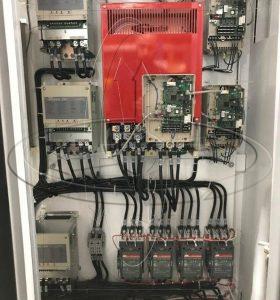
Magnetek Brake Circuit Fusing
Posted by Eric Brown
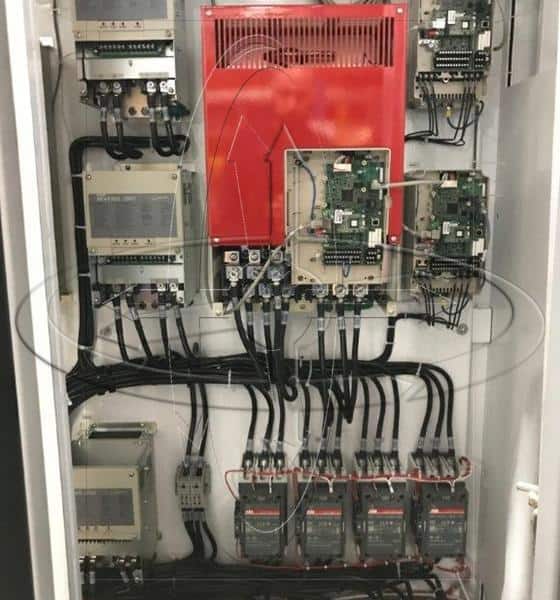
Magnetek Brake Circuit Fusing I thought I would share a practice that we at Engineered Lifting Systems use when ordering or reviewing a complete Magnetek variable frequency drive panel or […]
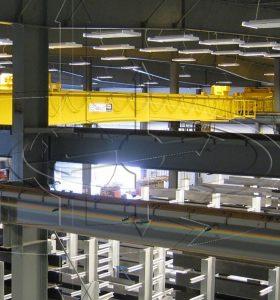
Runway Electrification Isolation Sections Improves Production and Provides Safety
Posted by Eric Brown
Runway Electrification Isolation Sections Improves Production and Provides Safety It is not unusual to have multiple overhead cranes on the same runway. While maintaining and repairing these cranes, having a […]
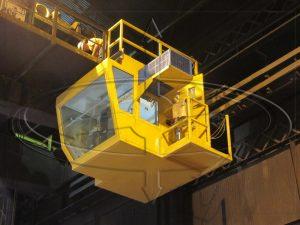
DC Crane Cab Upgrades
Posted by Eric Brown
DC Crane Cab Upgrades Engineered Lifting Systems was awarded the order to upgrade (replace) the cabs on two DC overhead cranes. The existing cabs had been in service since the […]
Recent news posts
Gravity Latch with Rotation Lock
Magnetek Series 3 Drives Using “Motor 2” Option
Magnetek Brake Circuit Fusing
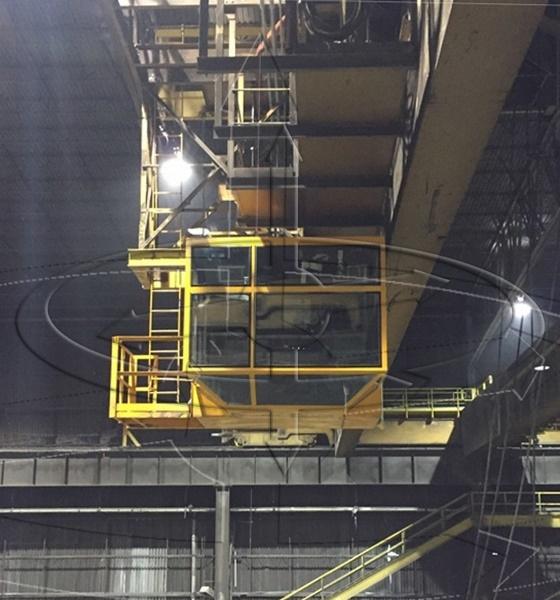
Crane Cab Replacement Improves Function
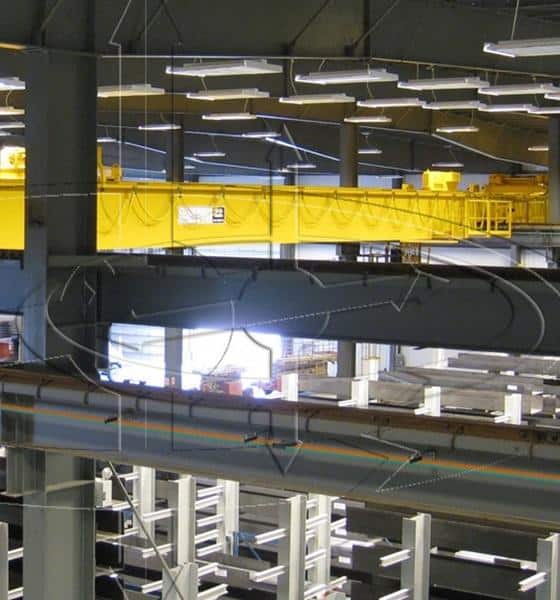
Runway Electrification Isolation Sections Improves Production and Provides Safety
News Categories
- ACCO Material Handling Solutions (1)
- Ace World Company (6)
- Air Chain Hoists (3)
- AIST (3)
- AISTech (1)
- Association for Iron & Steel Technology (1)
- Avtron (3)
- Bushman AvonTec (1)
- Case Studies (54)
- Crane Cab Controls (5)
- Crane Controls (8)
- Crane Hook Safety Latch (4)
- Crane Joysticks (4)
- Crane Modernization (15)
- Crane Parts (4)
- Gorbel (4)
- IMPULSE® VG+ Series 4 (1)
- Installation (1)
- J.D. Neuhaus (2)
- J.R. Merritt (10)
- Magnetek (37)
- MLTX (3)
- Mondel (4)
- News (7)
- Overhead Cranes (10)
- Pushbutton Stations (2)
- Runway Inspections (2)
- Tech Bulletin (19)
- Telemotive (9)
- Uncategorized (77)
- XLTX (1)
- Xtek (1)
- Yale (2)